January 3, 2025
Our plane touched down more than 6,000 miles away from home, and the thrill of wanderlust was already fire in my veins. I looked out the window at the treeless landscape, a rugged expanse of wind and ocean waves. Hundreds of miles away, granite peaks & spires loomed over glacial lakes, arid grassland steppes, and dusty orange deserts. We had arrived in Patagonia.
It took John and I awhile to settle on a plan for our honeymoon. What time of year would we travel? How far? For how long? Our vacation time savings and wedding registry assistance meant that we could go somewhere farther and more costly than we could normally afford. Eventually we settled on returning to the southern hemisphere, where we had first learned the joys and challenges of big travel five years earlier in New Zealand. In the southern hemisphere, January is the heart of summer, and a perfect escape from the below-zero temperatures of the Midwest. As an added bonus, we decided to travel over my birthday and head to a new continent: South America. I have already been lucky enough to celebrate my birthday on two other distant continents, Africa (22) and New Zealand (24), and this would be my fourth out of seven.
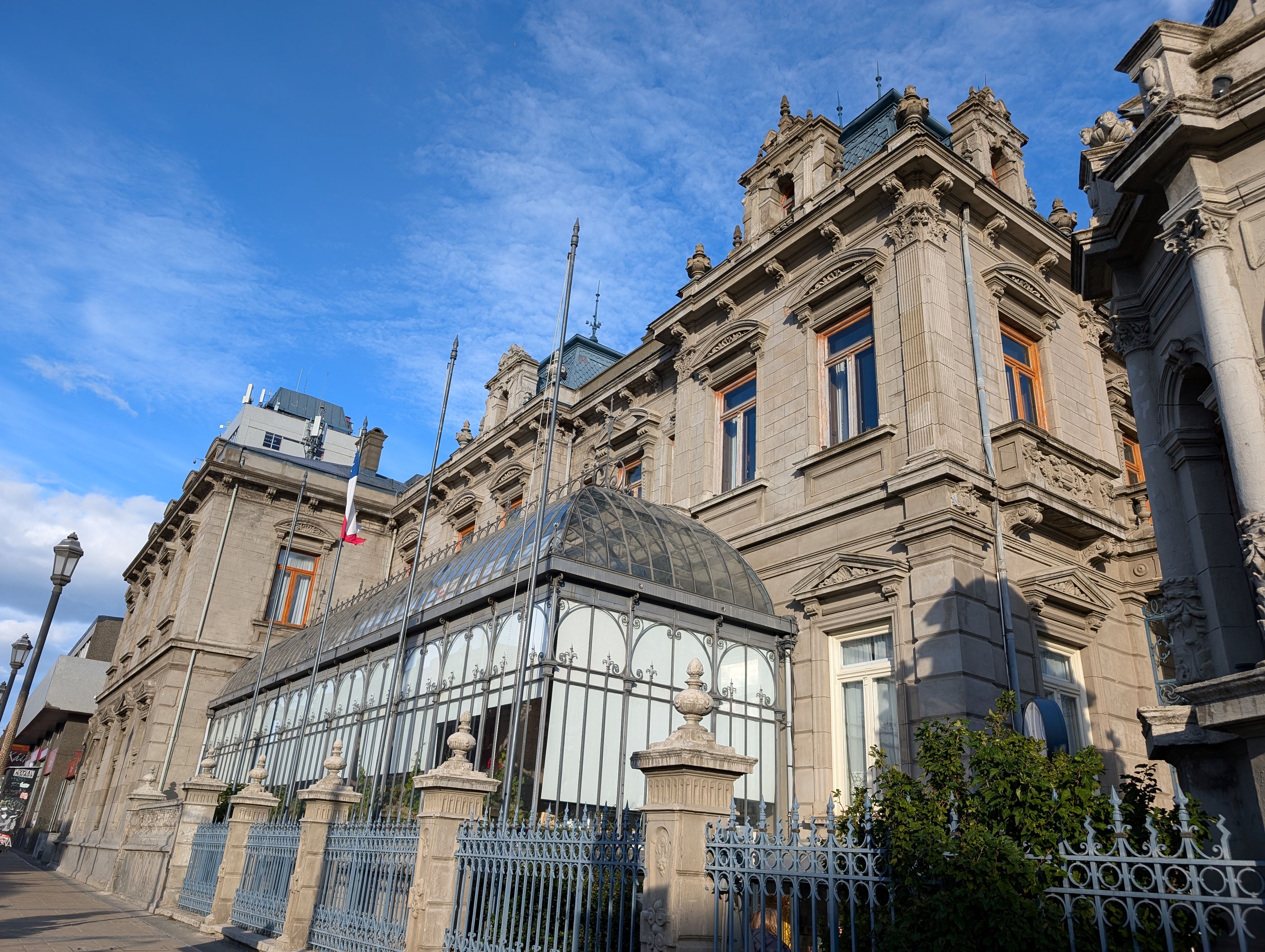
Patagonia is a vast region that includes Chile and Argentina at the farthest end of South America. The region is rich with the lakes, fjords, and glaciers in the Andes mountains, as well as deserts and steppes to the east. Many indigenous tribes inhabited the area before Spanish explorers arrived. Like in North America, indigenous peoples were all but wiped off of the map as explorers brought disease and destruction to their homeland. Some of these cultures persist today.
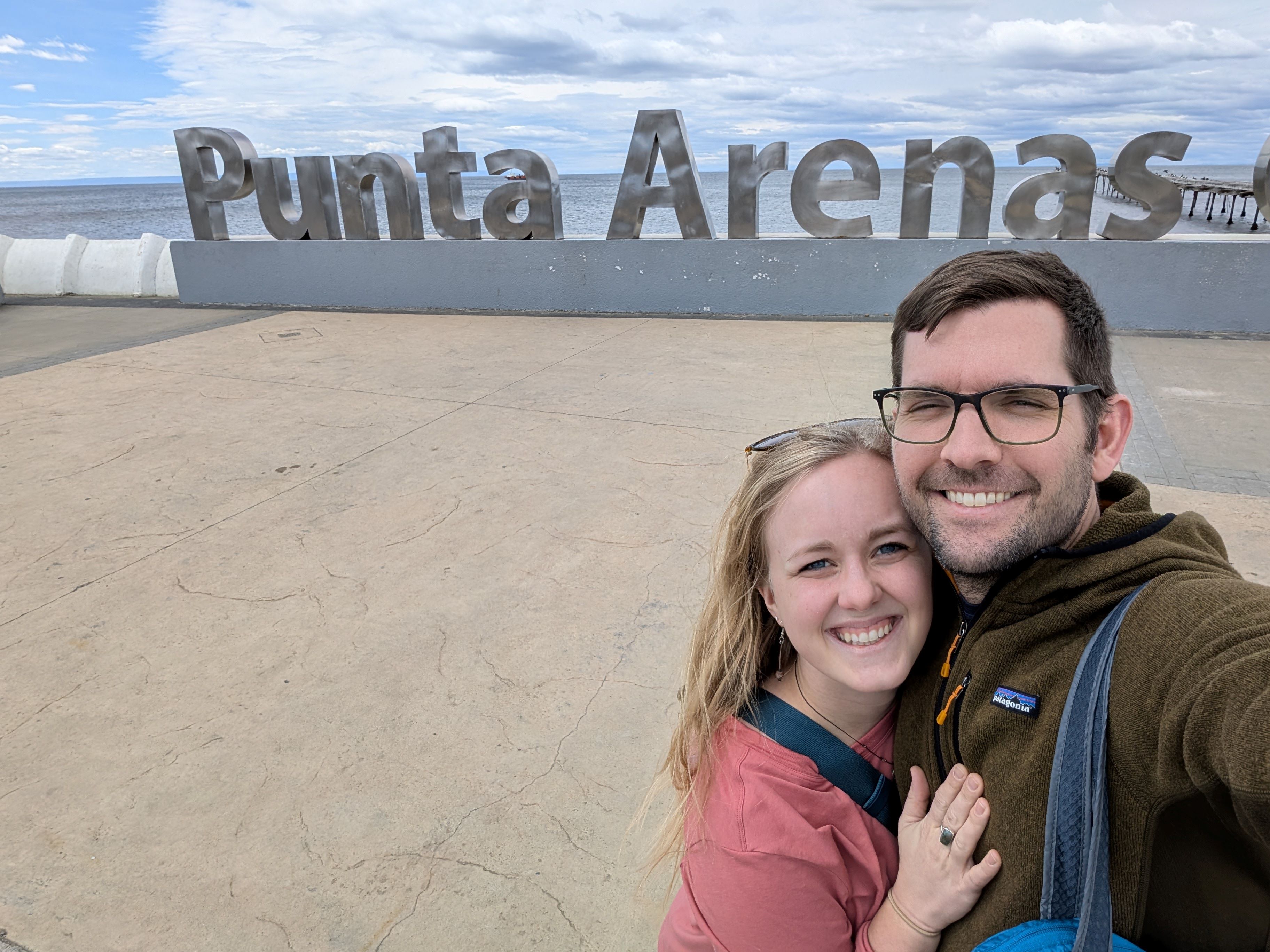
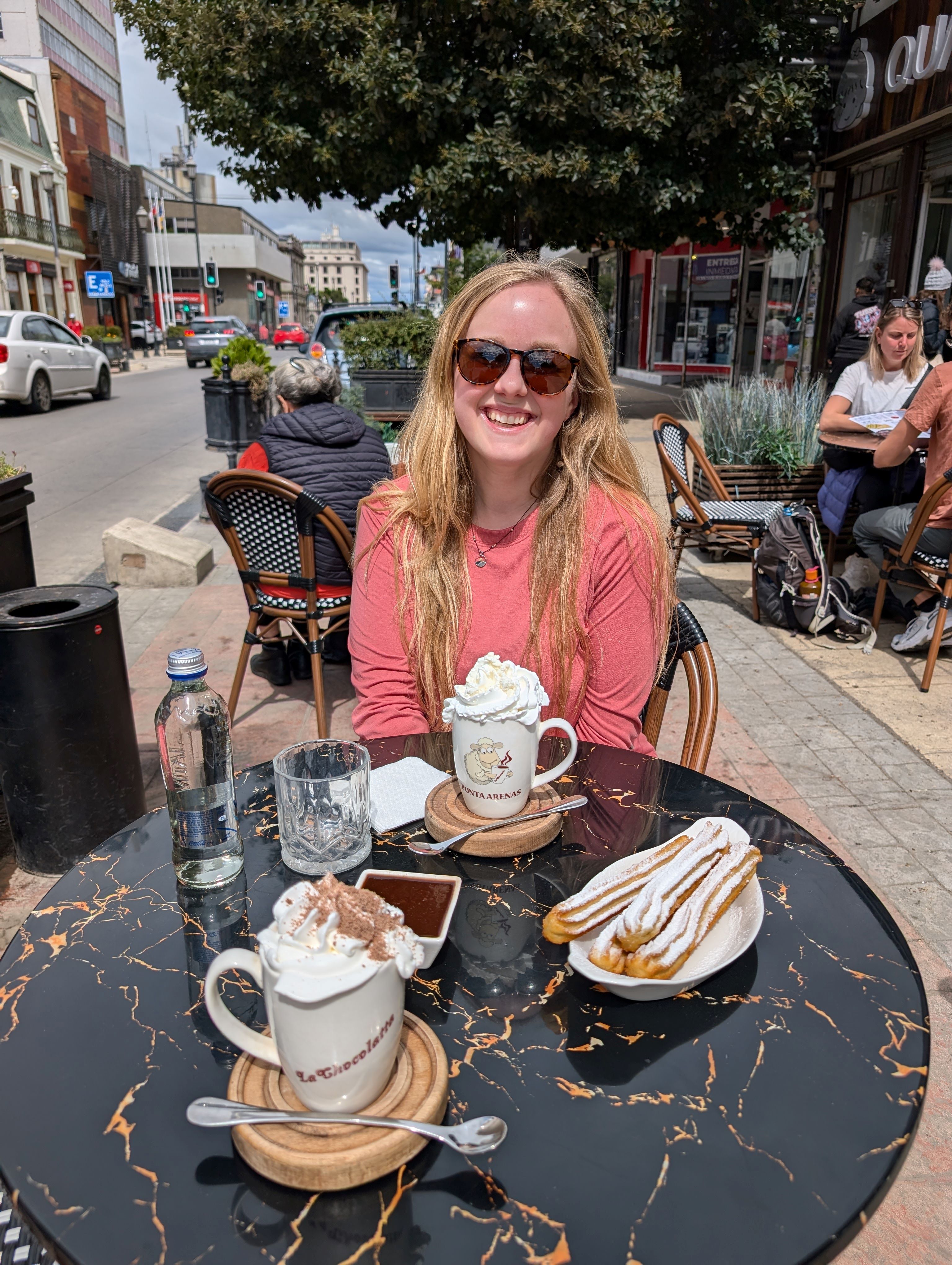
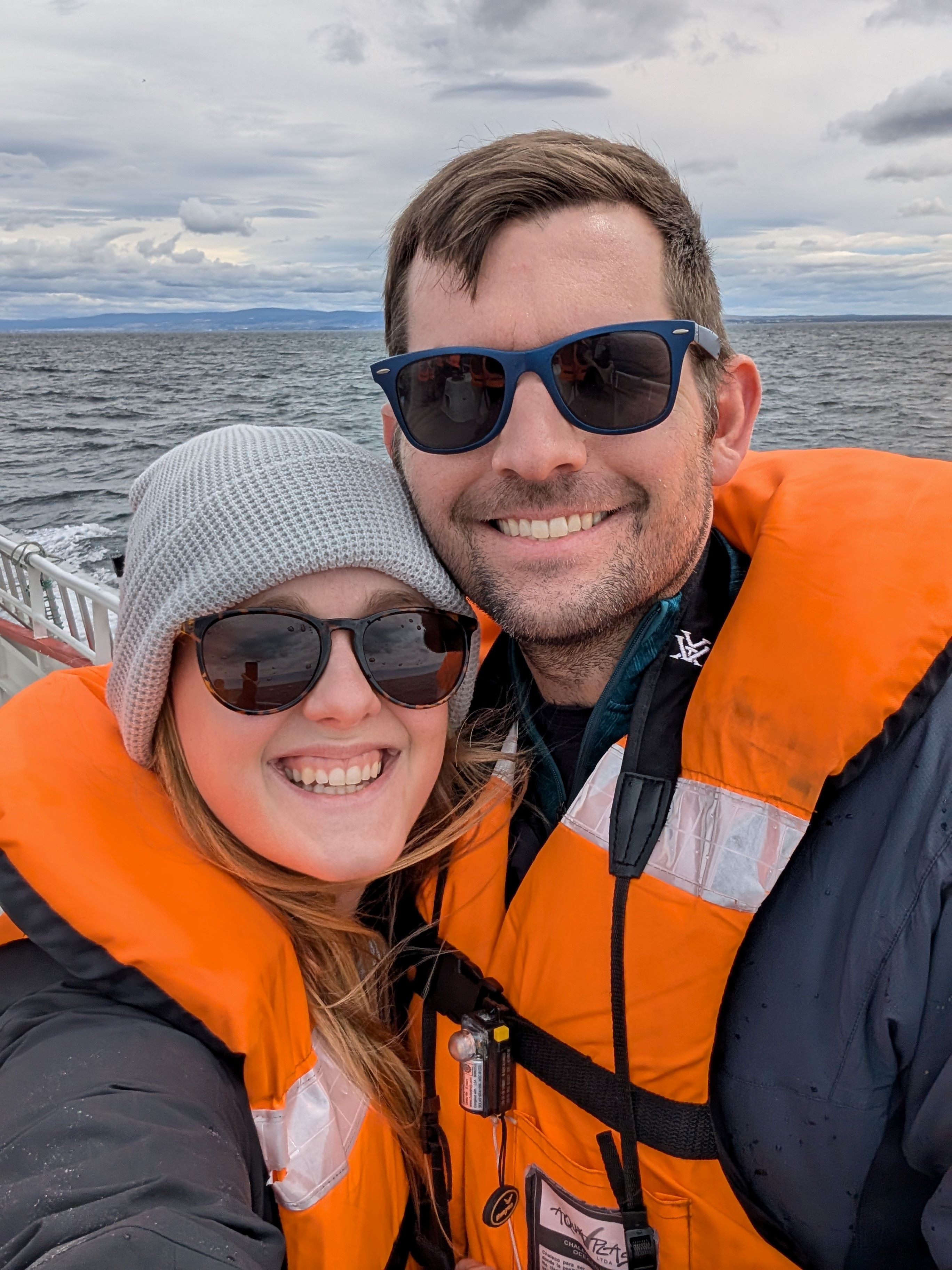
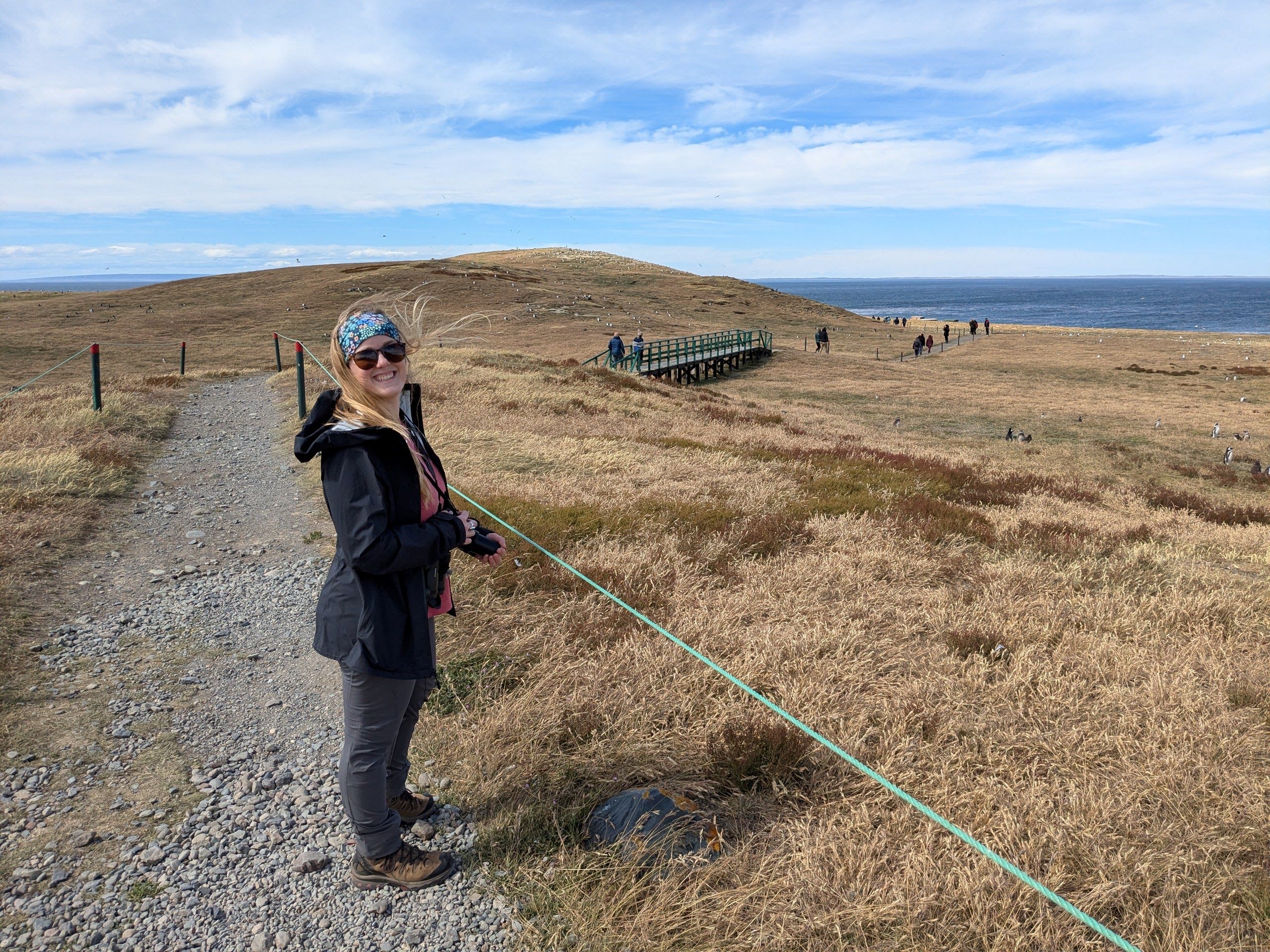
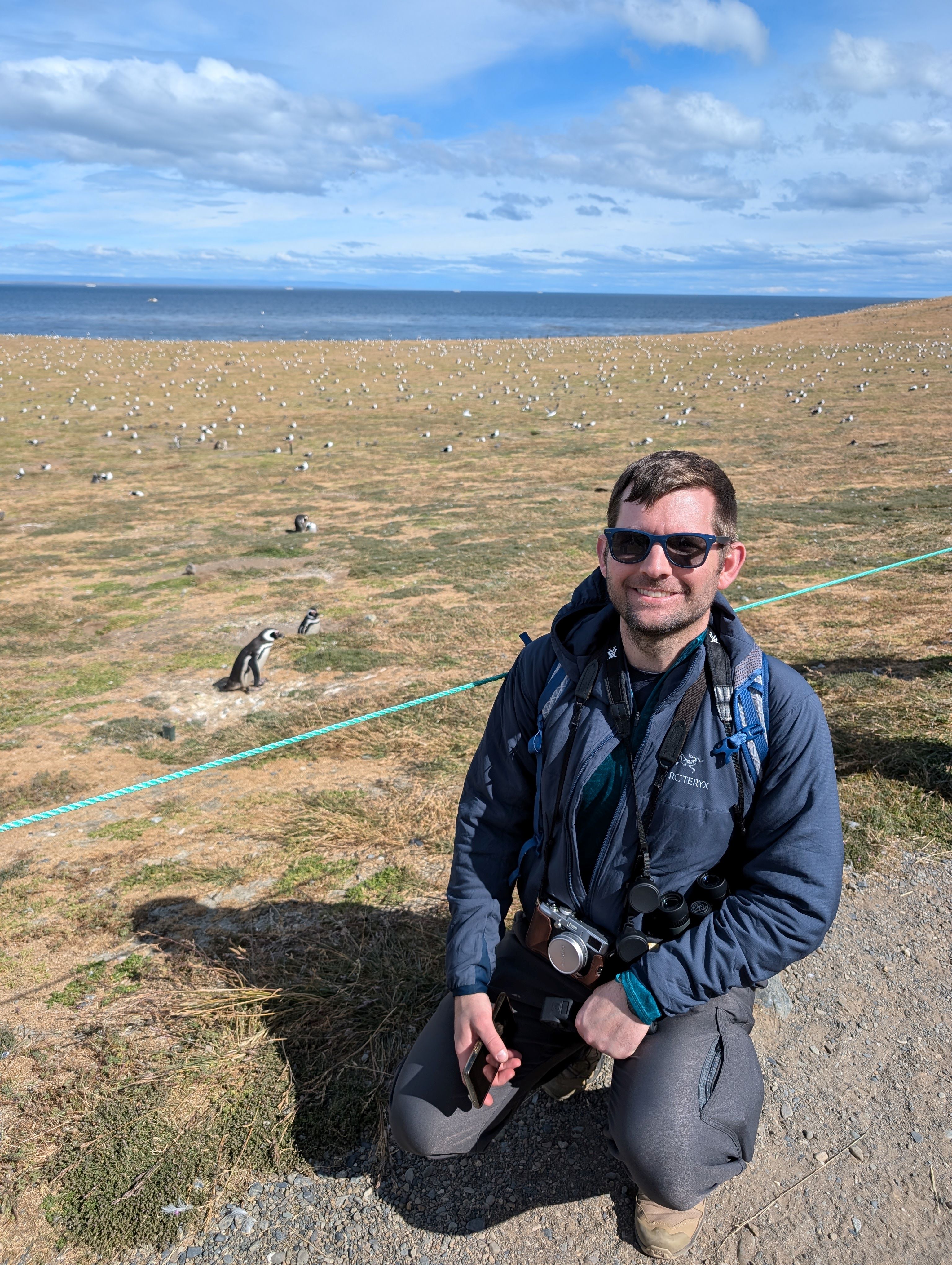
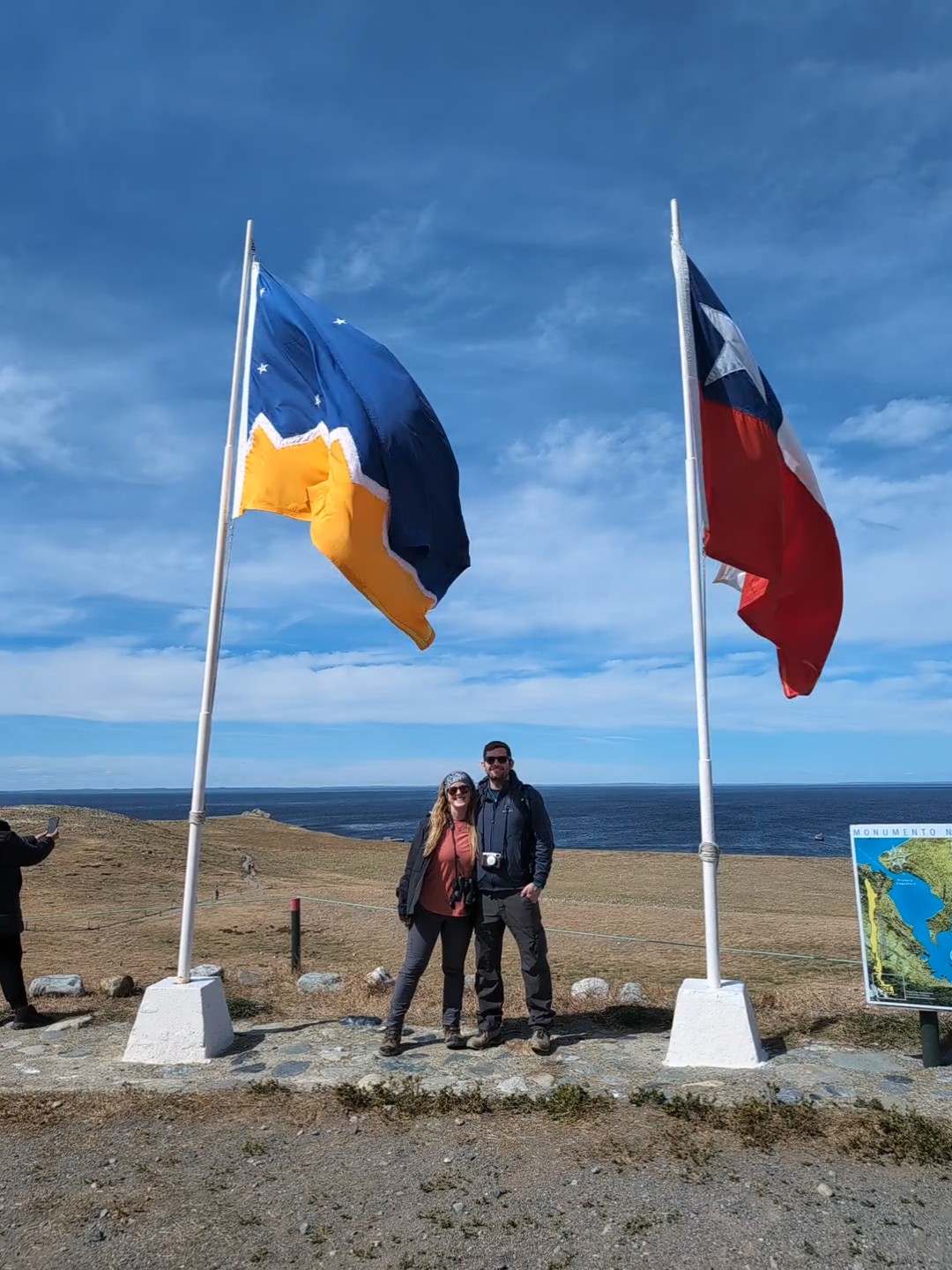
The first day of our trip in Punta Arenas, Chile felt like a dream. We wandered through local artisan shops, walked along the Strait of Magellan, and enjoyed hot chocolate and churros on a cafe’s patio. We took a boat tour to see and learn about the Magellanic penguins on Isla Magdalena, where we walked among thousands of penguins on a windswept grassy island barely a half square mile in size.
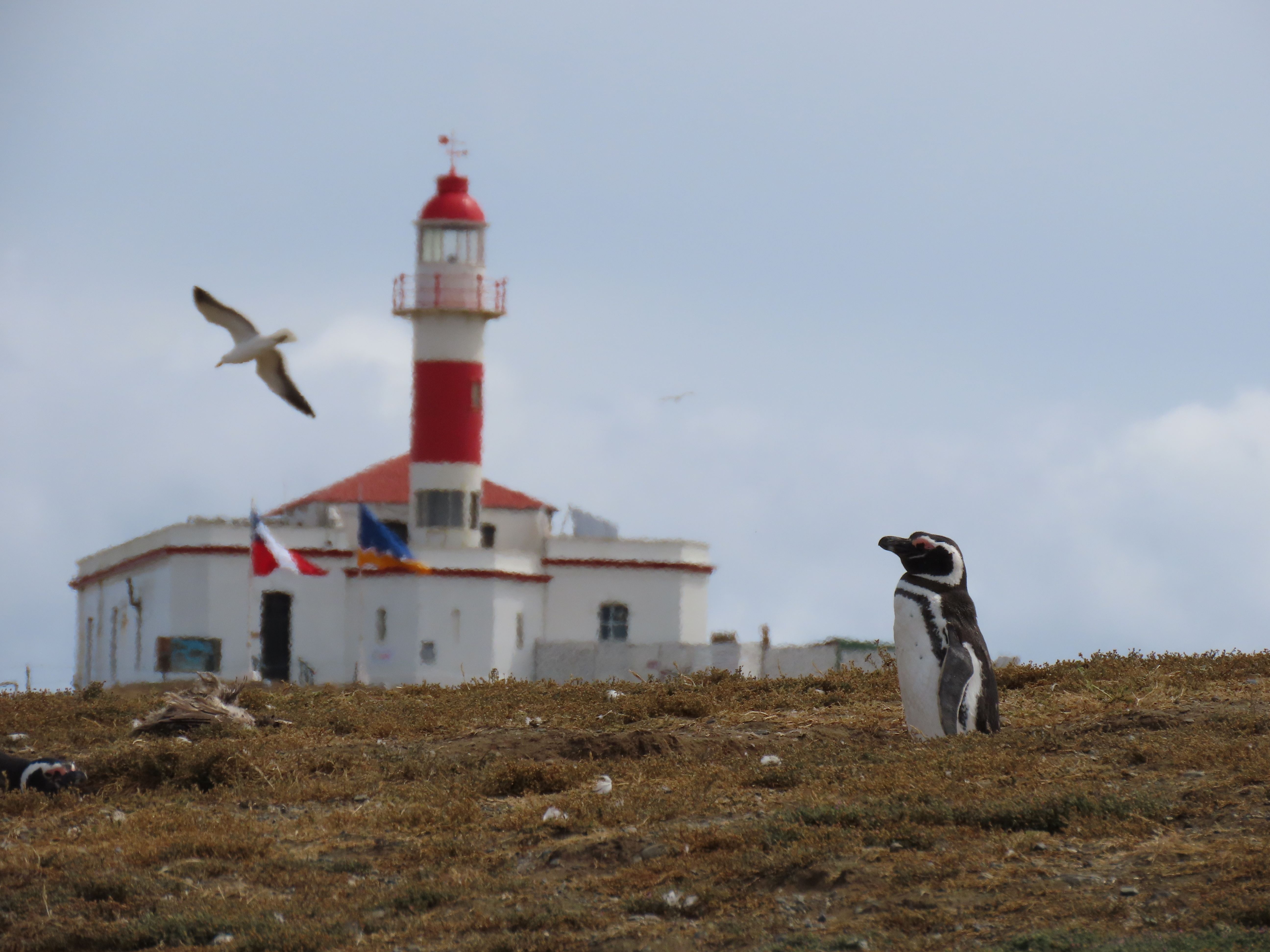

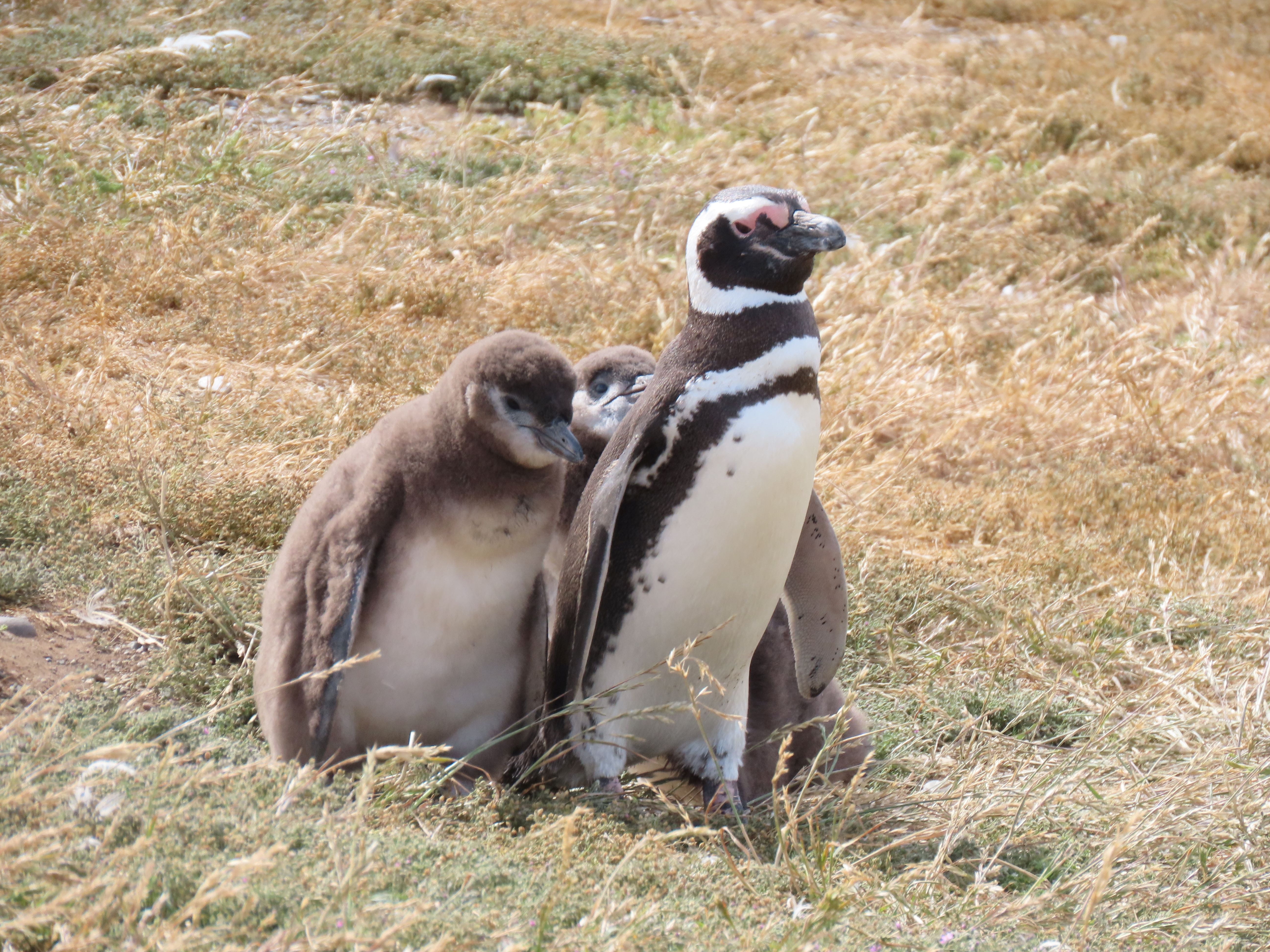
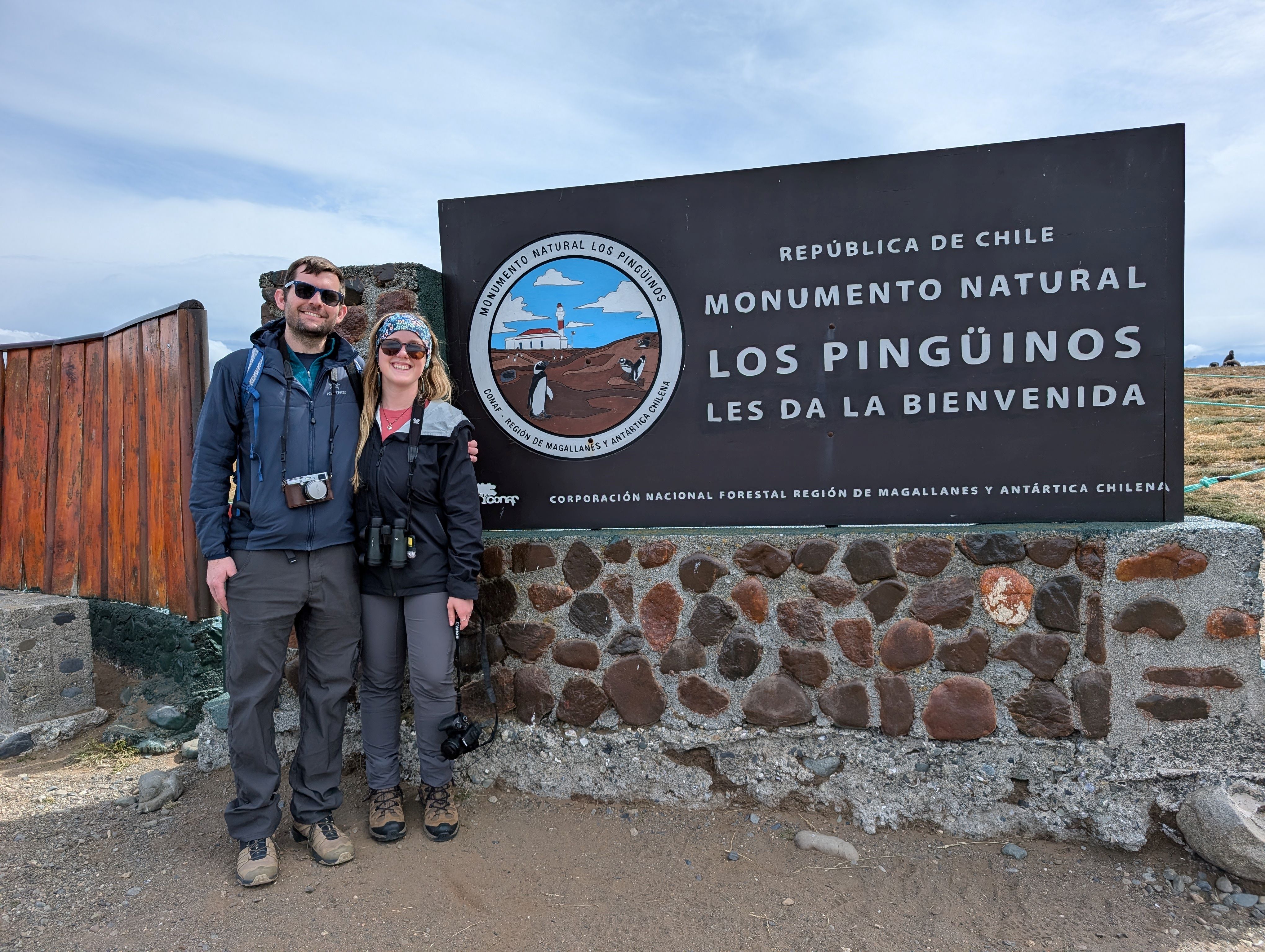
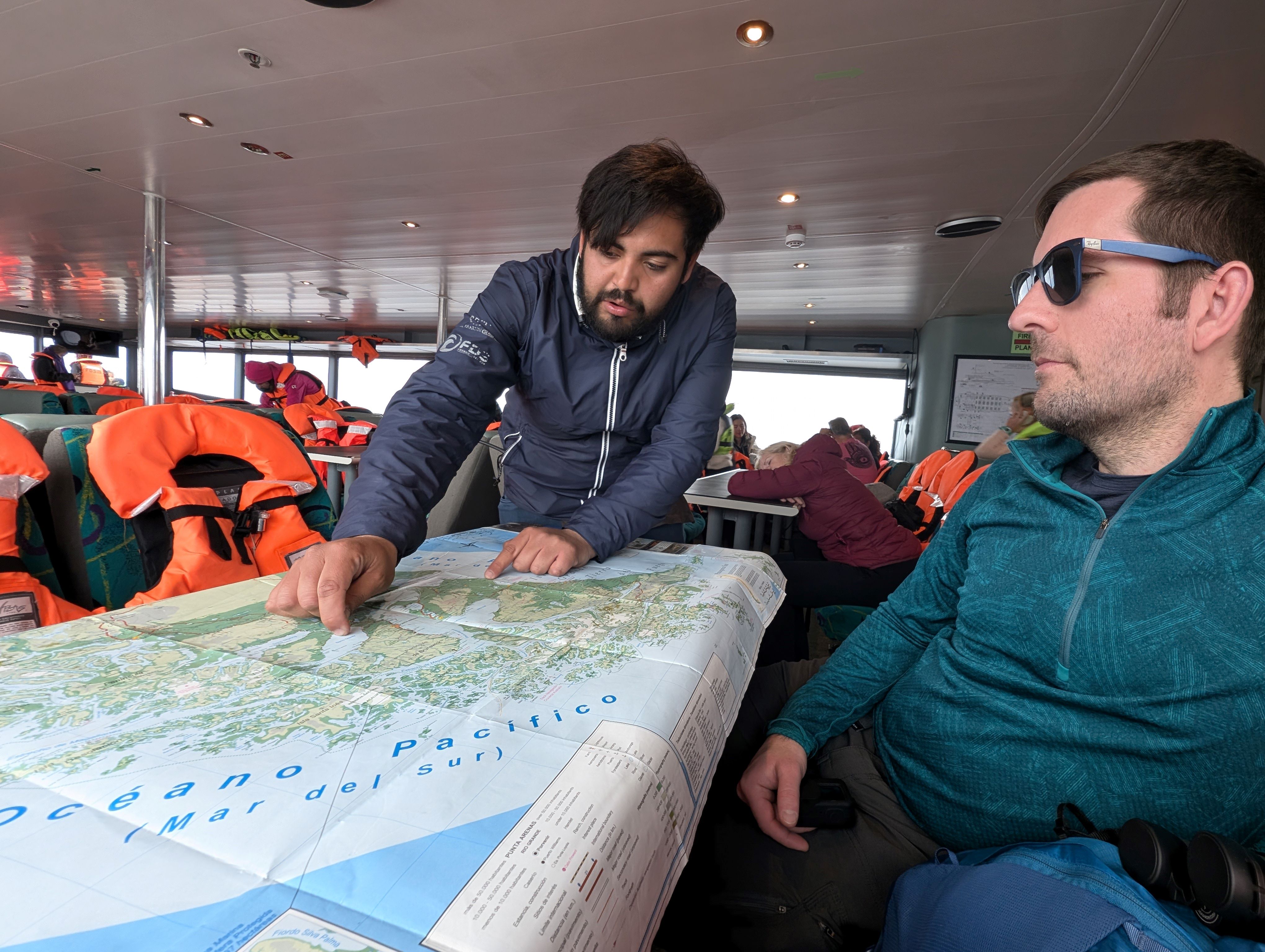
The next day we picked up our main mode of transportation for the next two weeks: a Toyota Hilux single cab camper.
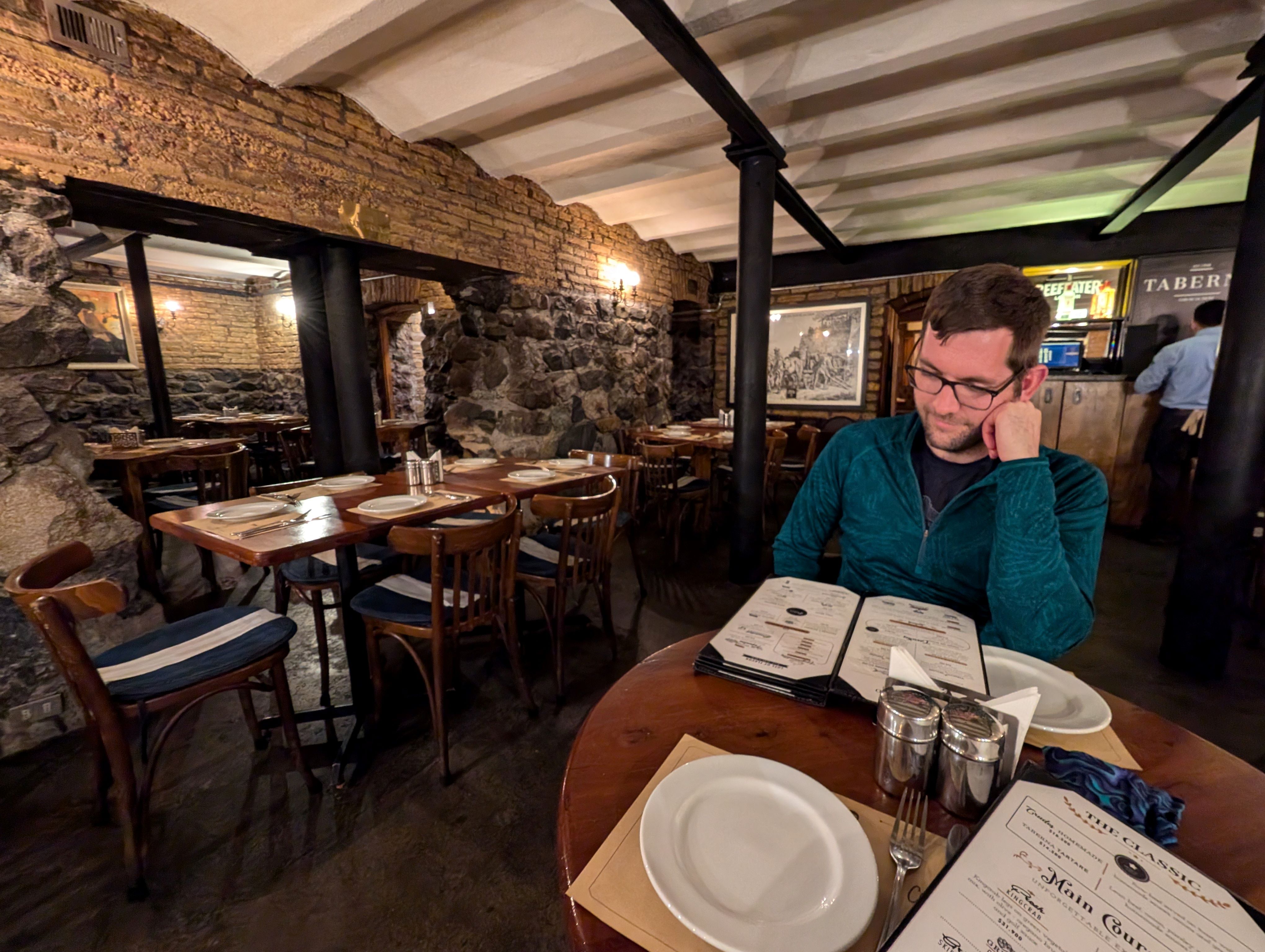
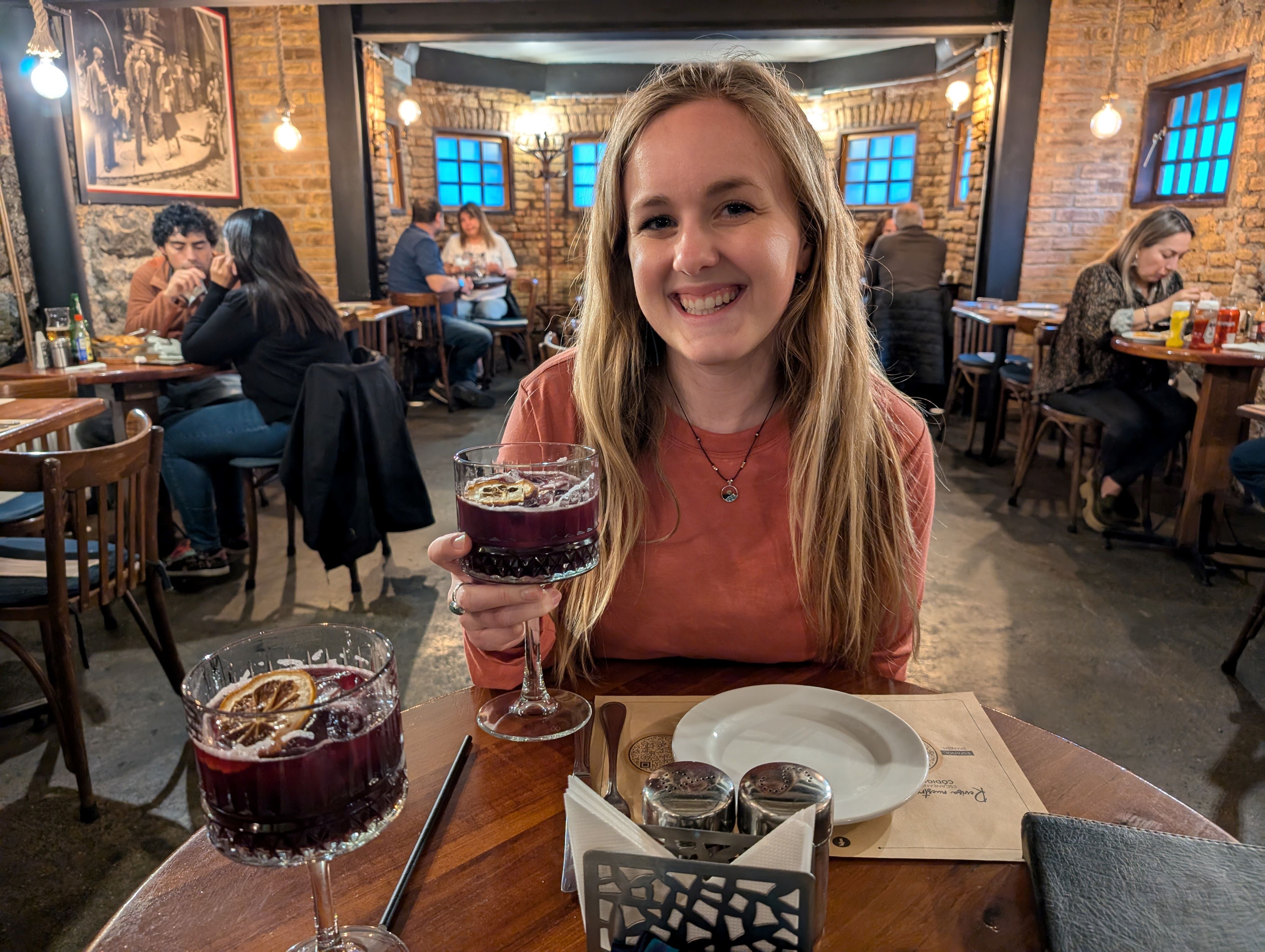
Our first drive to Puerto Natales, just 2 ½ hours away, could not have been more exhausting. Leaving town in the late afternoon, after an agonizing meal-planning trip through the grocery store, meant that the winds careening head-on to our camper were stronger than ever. John had to white knuckle the steering wheel to stay on the road. We were bleary-eyed from an exhausting night of getting sick from last night’s cocktail, and at times the wind was so strong against our truck’s cab that we could hardly hear each other speak.
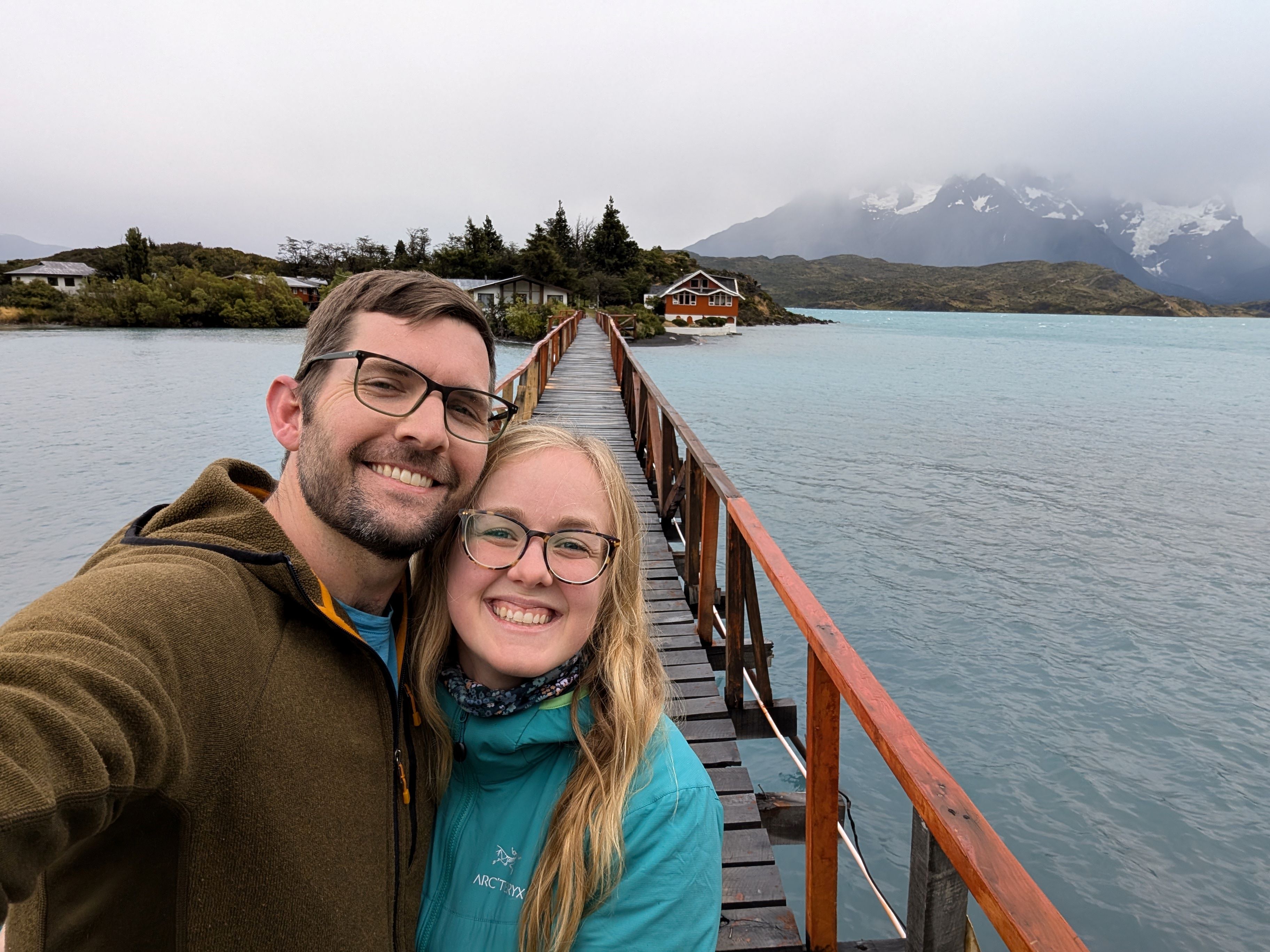
The only bright side (literally) was the southern sun—we were far enough south that the sun did not set until 11pm, giving us plenty of daylight for travel. Nonetheless, we ended up changing plans that night and camped along the water in town instead of making it to our first national park before bedtime. In Patagonia (similar to Alaska, and parts of New Zealand), you are allowed to “wild camp” on public lands, even if there isn’t a campground. John spotted this shoreline on our way into town, and it seemed like a pretty good place to start our trip together.
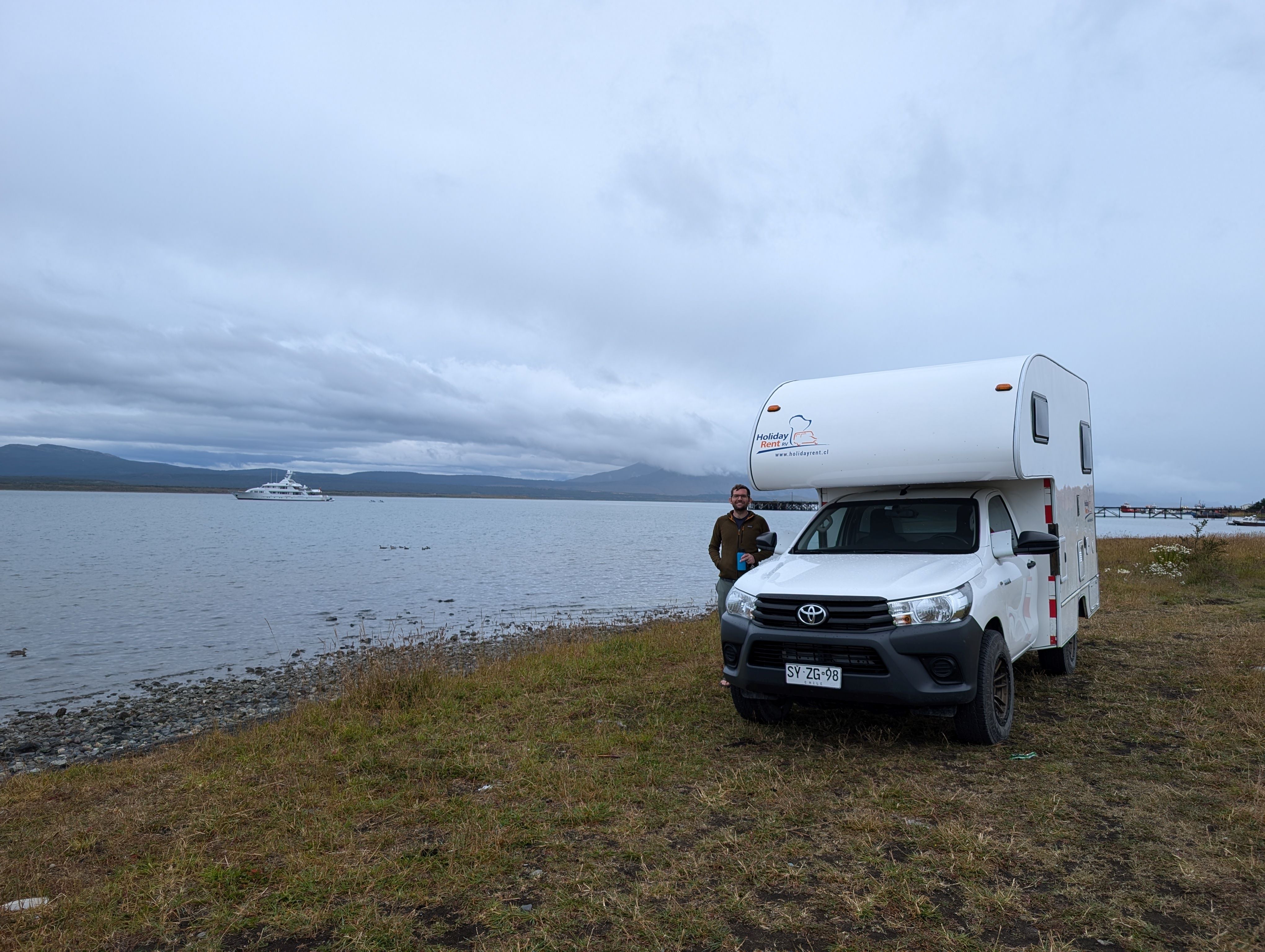
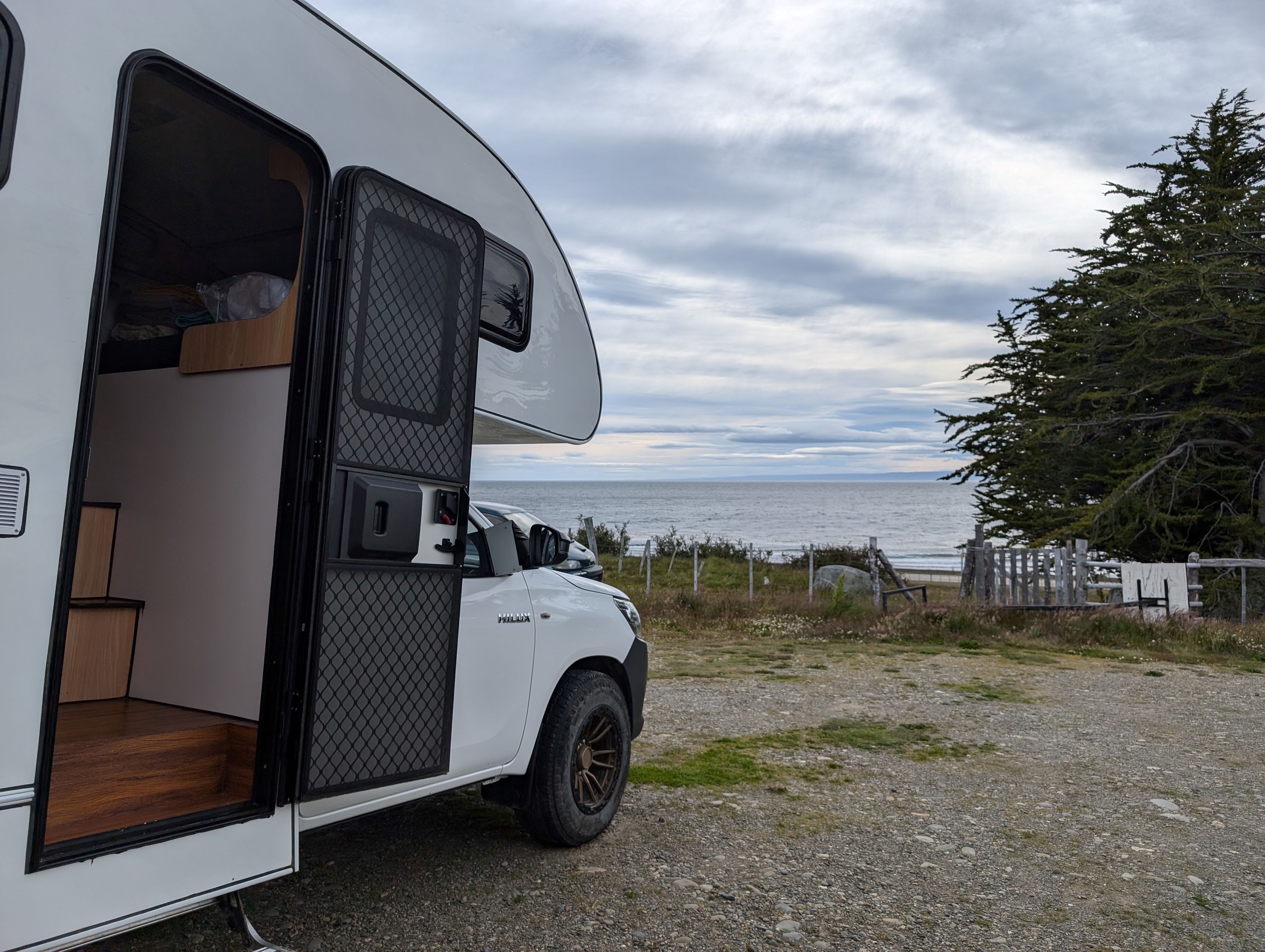
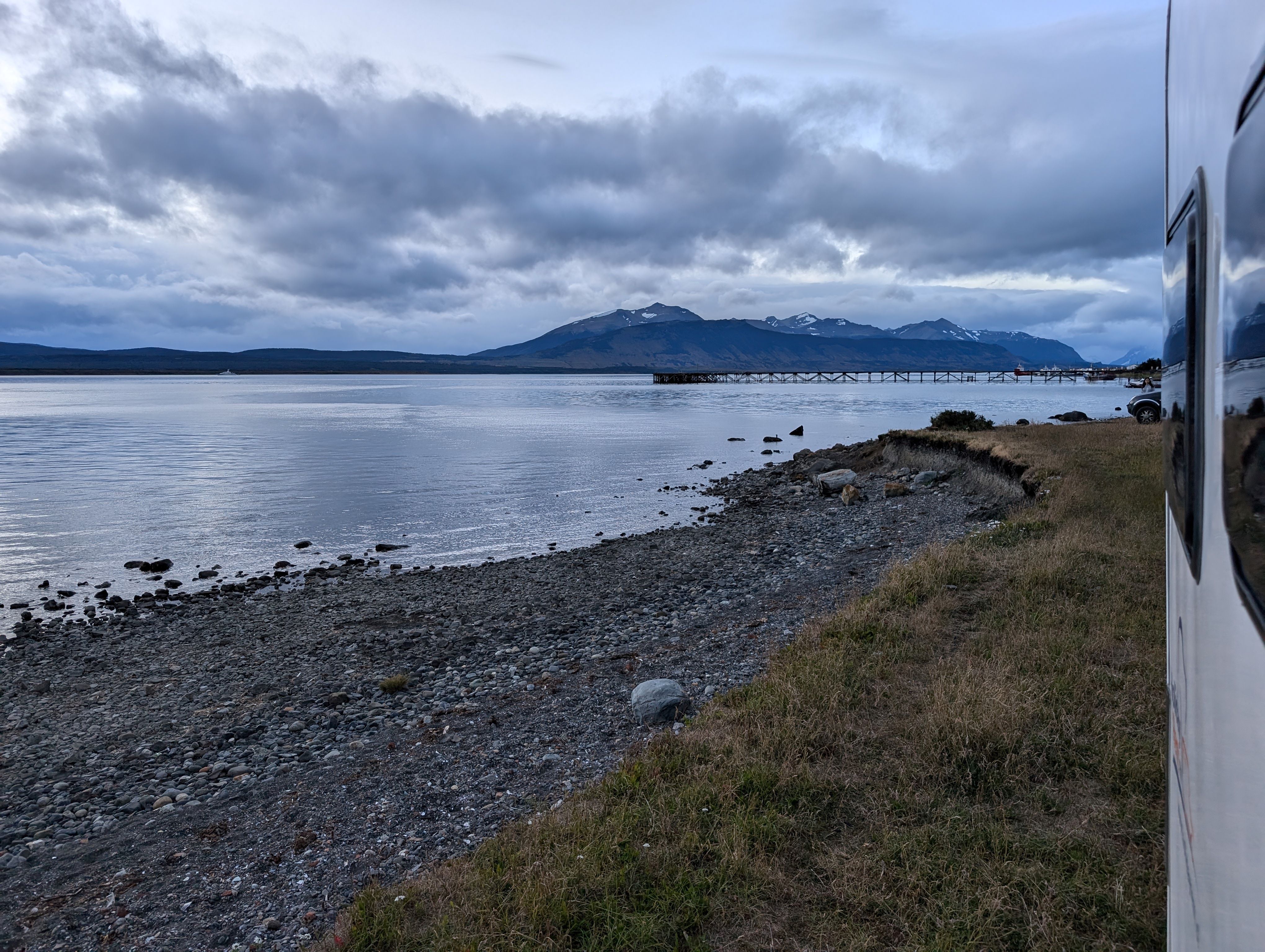
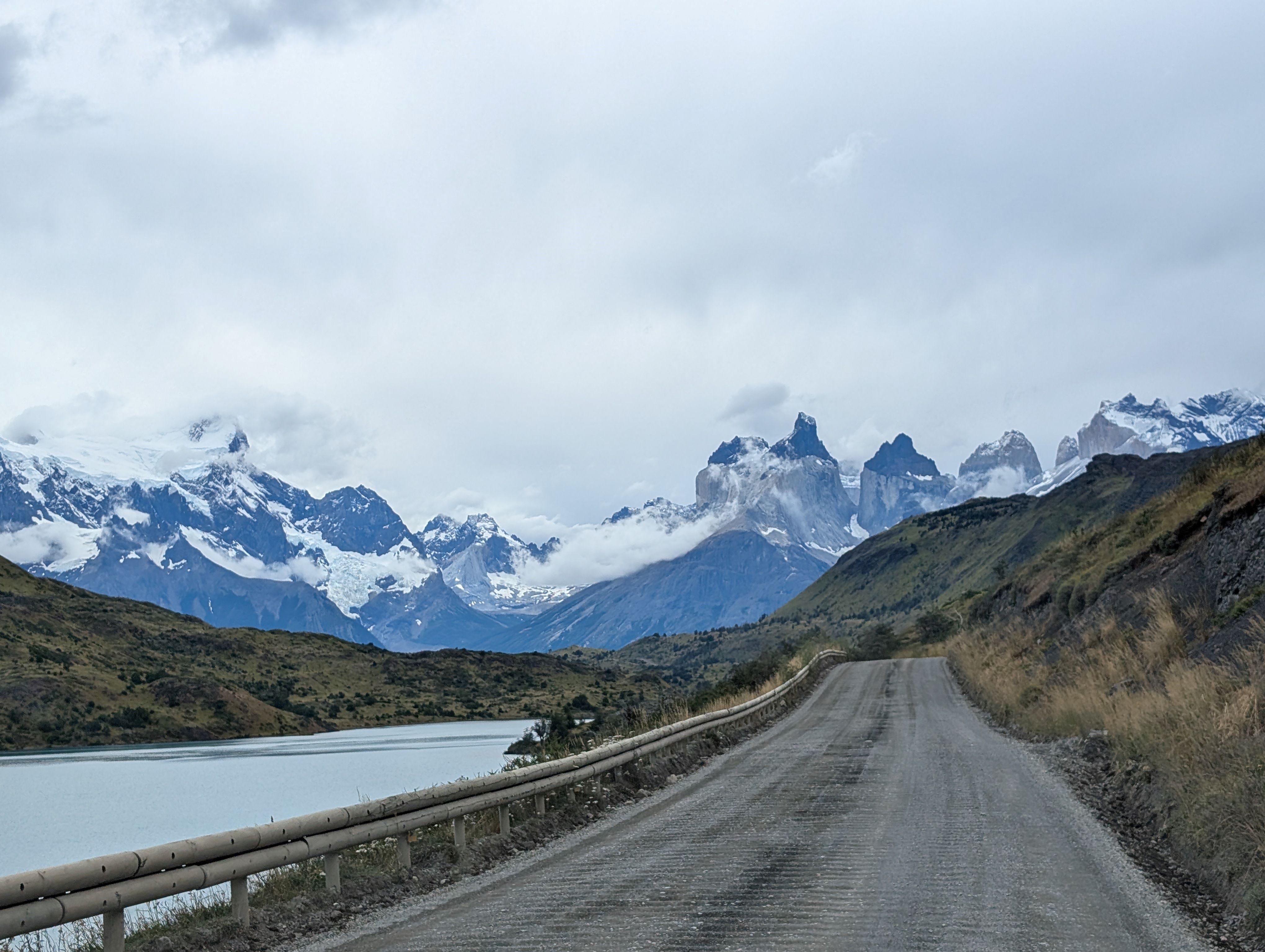
The next day, we scanned for wildlife as the temperate coastal ecosystems transformed into dry, scrubby steppe, and the iconic granite peaks of the Torres del Paine mountains came into view.
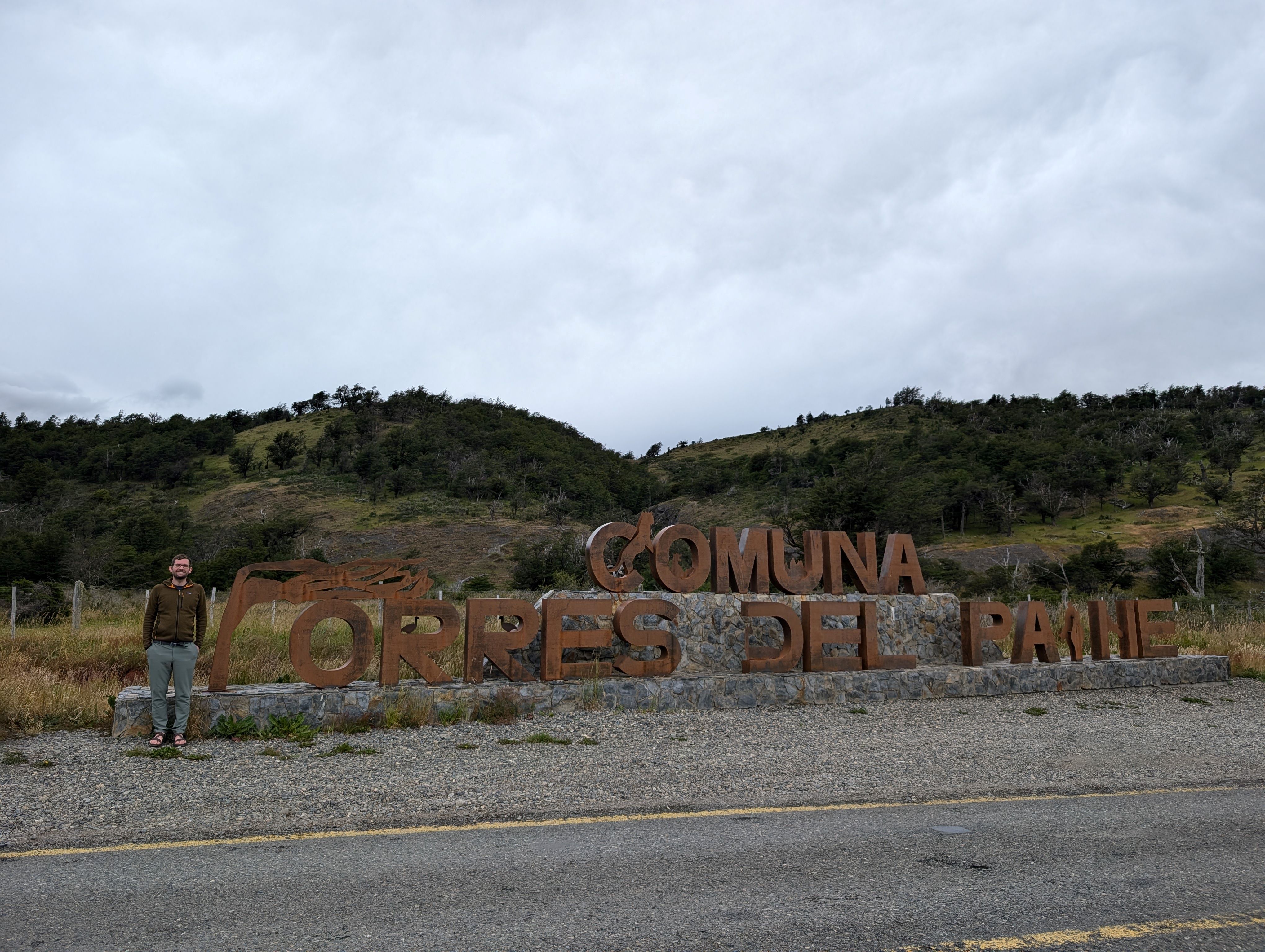
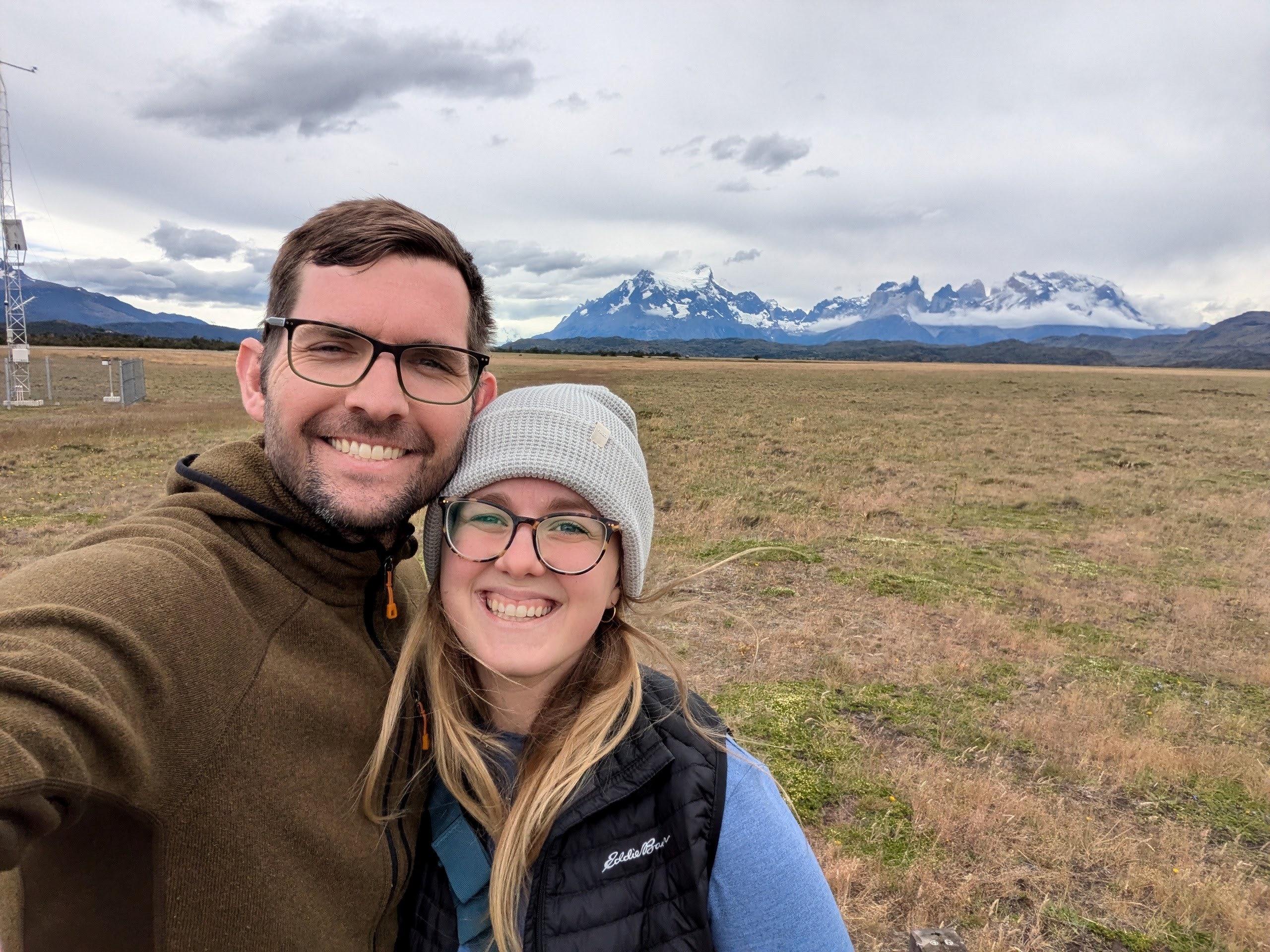
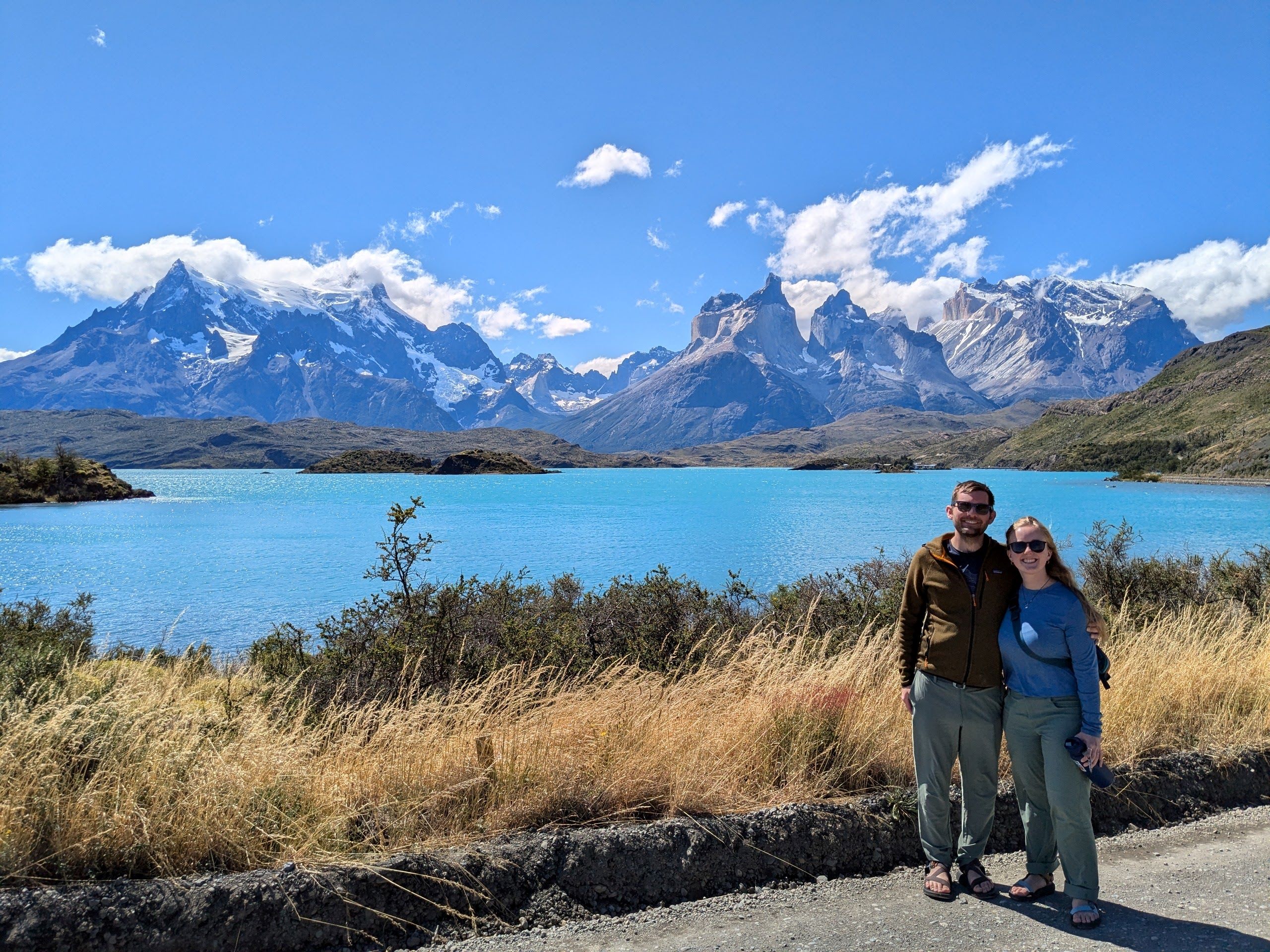
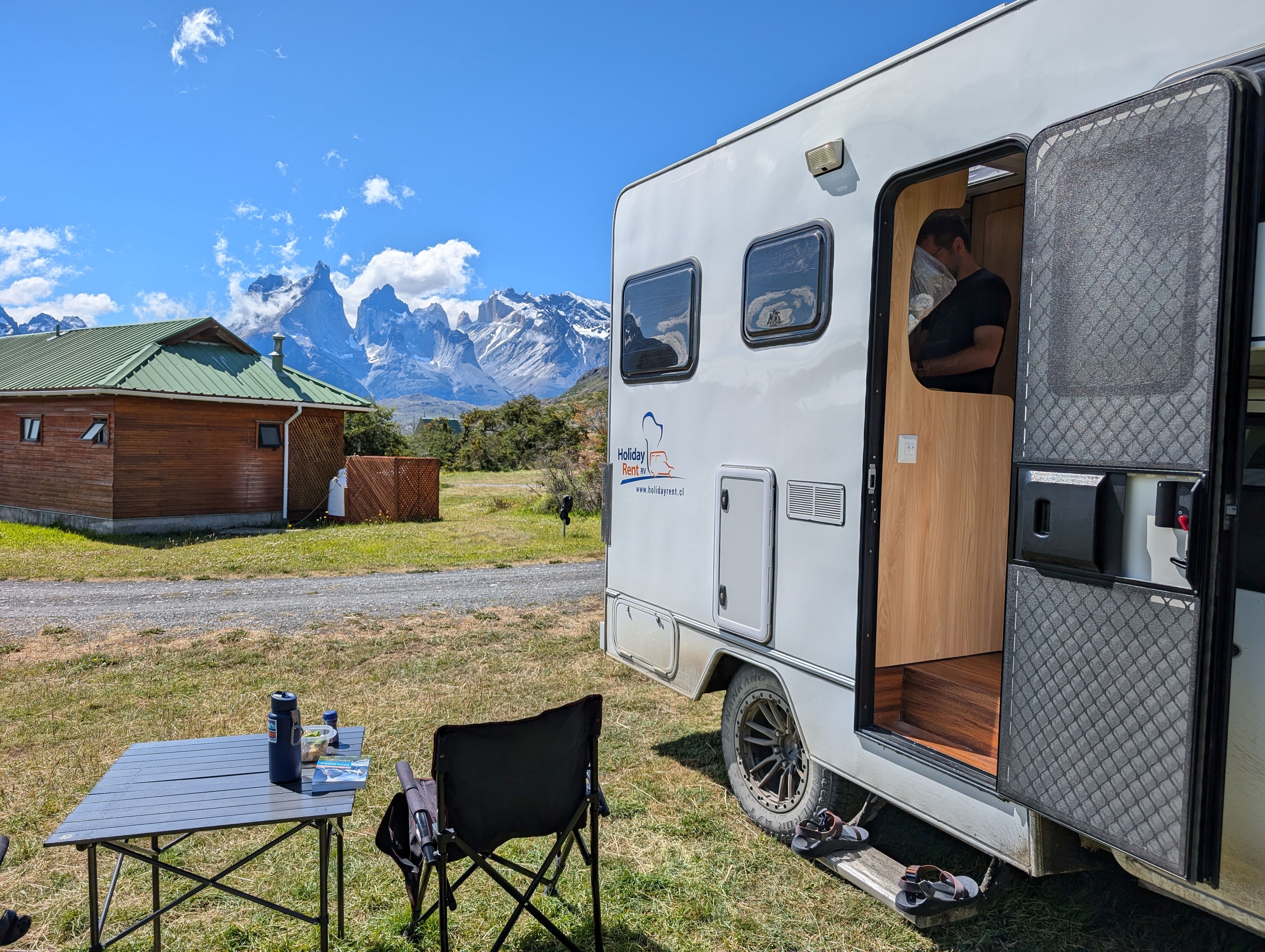
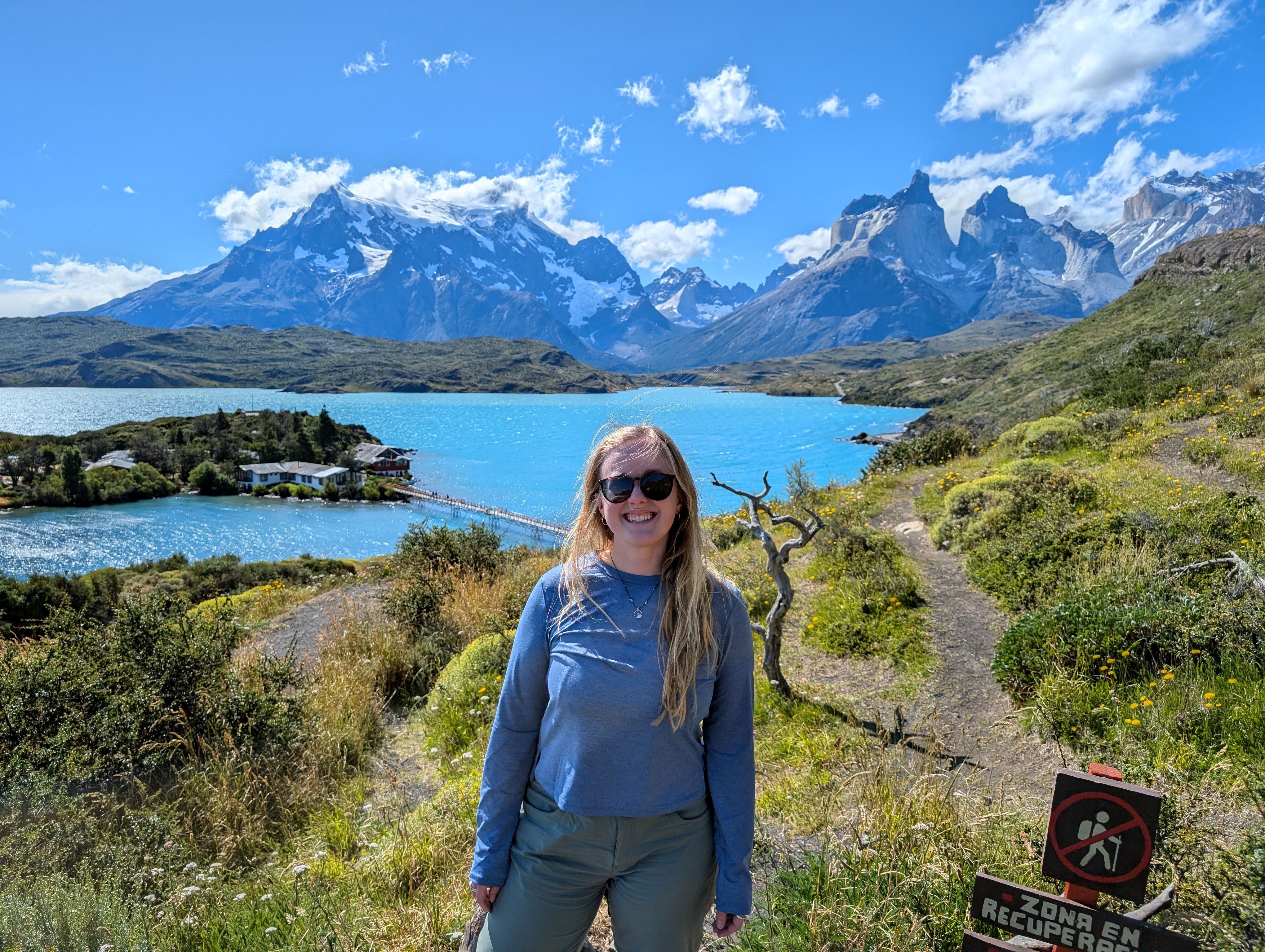
When we arrived in Torres del Paine National Park, I felt entirely overwhelmed looking around the small visitor center as I tried to decide how we would spend our time. Endless questions bounced off the walls of my mind—how far was it to the campsite? The website said they may not honor reservations in advance—did we still have one? Should we go there first to check, or sightsee on the way? How would we spend our 2 days in this famous park that we may never return to? My eyes filled with tears as I struggled to read a park safety sign in Spanish—despite my years of learning and recent practice, my mind was worn out and the letters swam around the page.
I escaped outside as the weight of planning our honeymoon finally crashed down on me. Throughout all of this, the phrase “trip of a lifetime” was ringing in my ears. It was a phrase many family and friends had casually and innocently used to describe our trip before departure. How could my decisions and my planning possibly live up to this phrase? How could this trip ever be good enough, knowing we would be unlikely to ever return?
These feelings were a perfect example of the pressure that social media and societal comparison can create to plan and experience the “perfect” trip, no matter how large or small. Even my Patagonia guidebook’s subtitle TRIP OF A LIFETIME felt like it was mocking me from the dashboard of our camper.
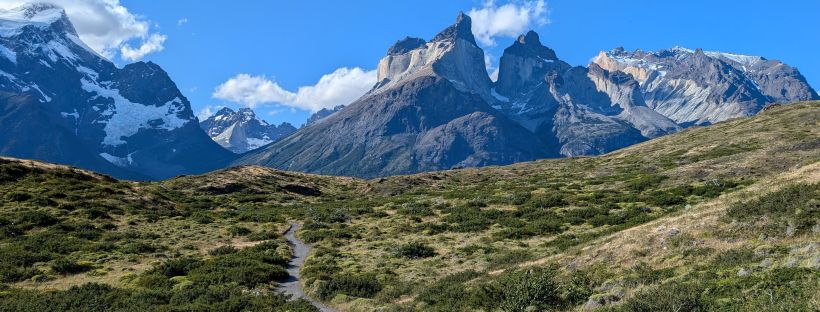
I pushed the feelings down while we set up camp and set off on a hike in the park. The sun was warm and bright, though despite the striking scenery that would normally energize me, my legs felt weak from eating so little food the past two days. The gently sloping trail felt like it stretched on for eternity, but we pushed forward to the end, reaching a view point of Los Cuernos del Paine. I nearly collapsed with relief at reaching the overlook.
“Cuernos” translates to “horns”, and “paine” is an indigenous Aónikenk (Tehuelche) word for “blue,” likely named for the glacial waters and blue-tinted mountains. Los Cuernos are famous for their contrasting stone: light granite make up most of the 8,000-foot peaks, with caps of charcoal grey sedimentary rock on the top.
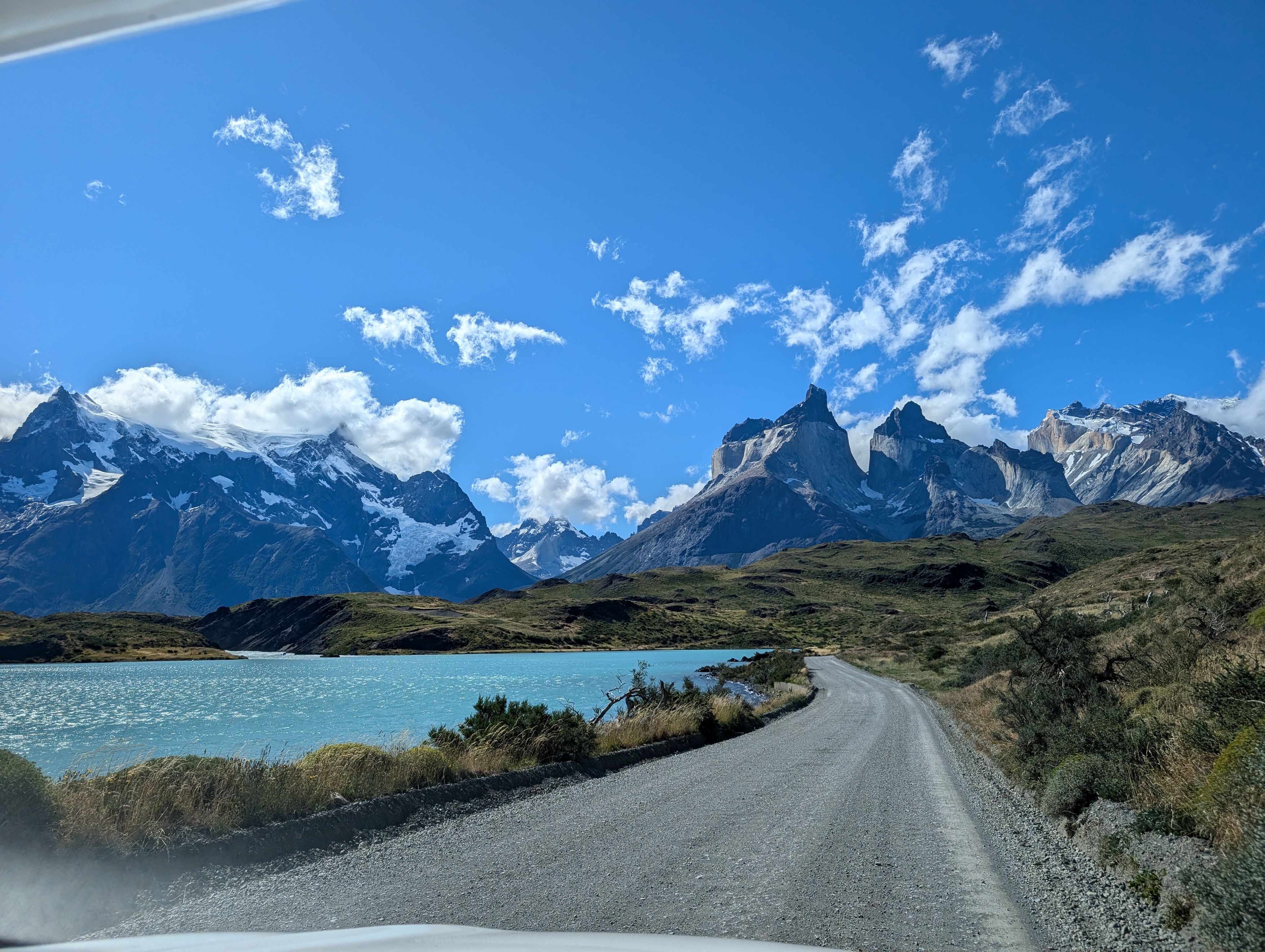
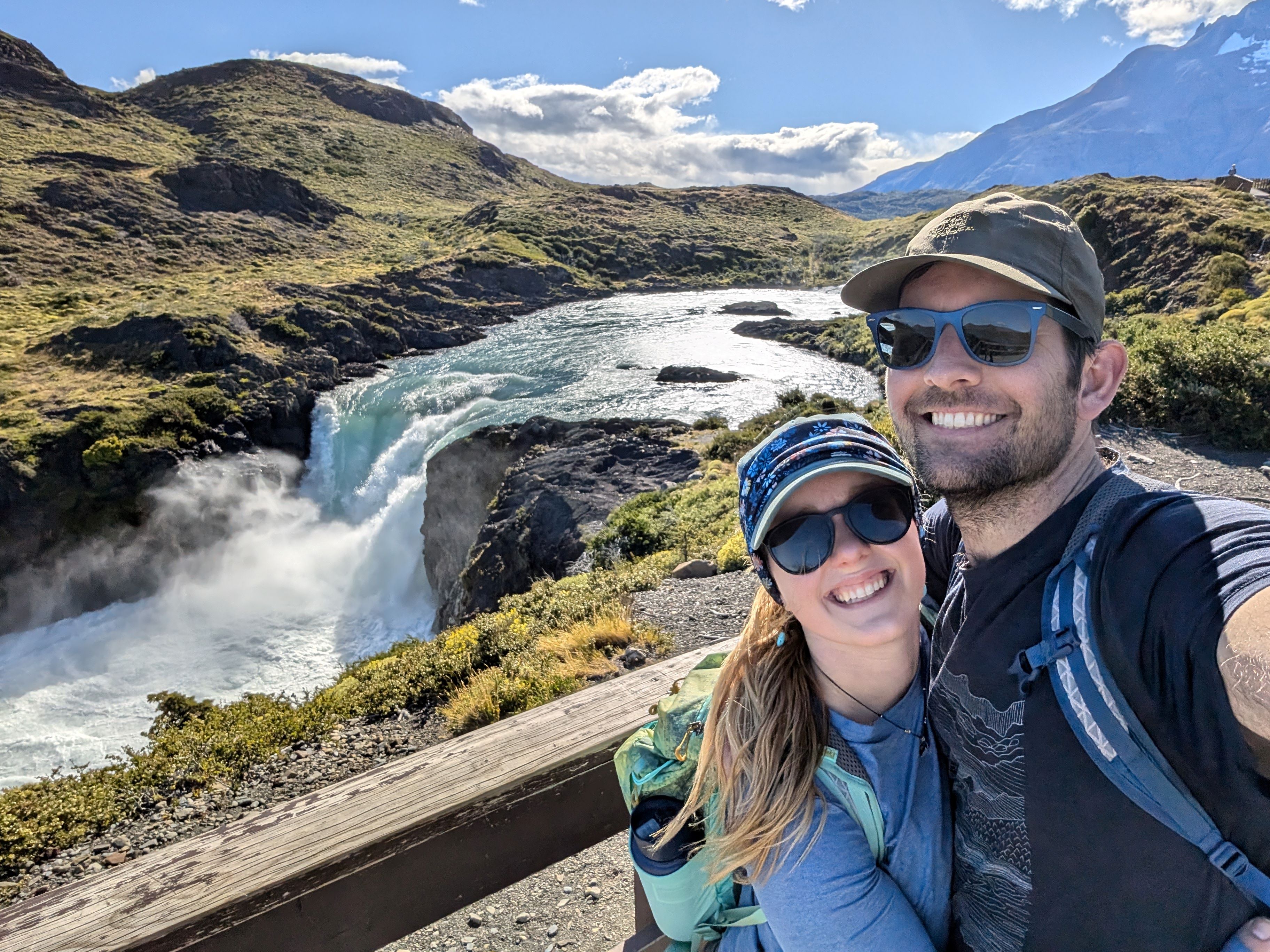
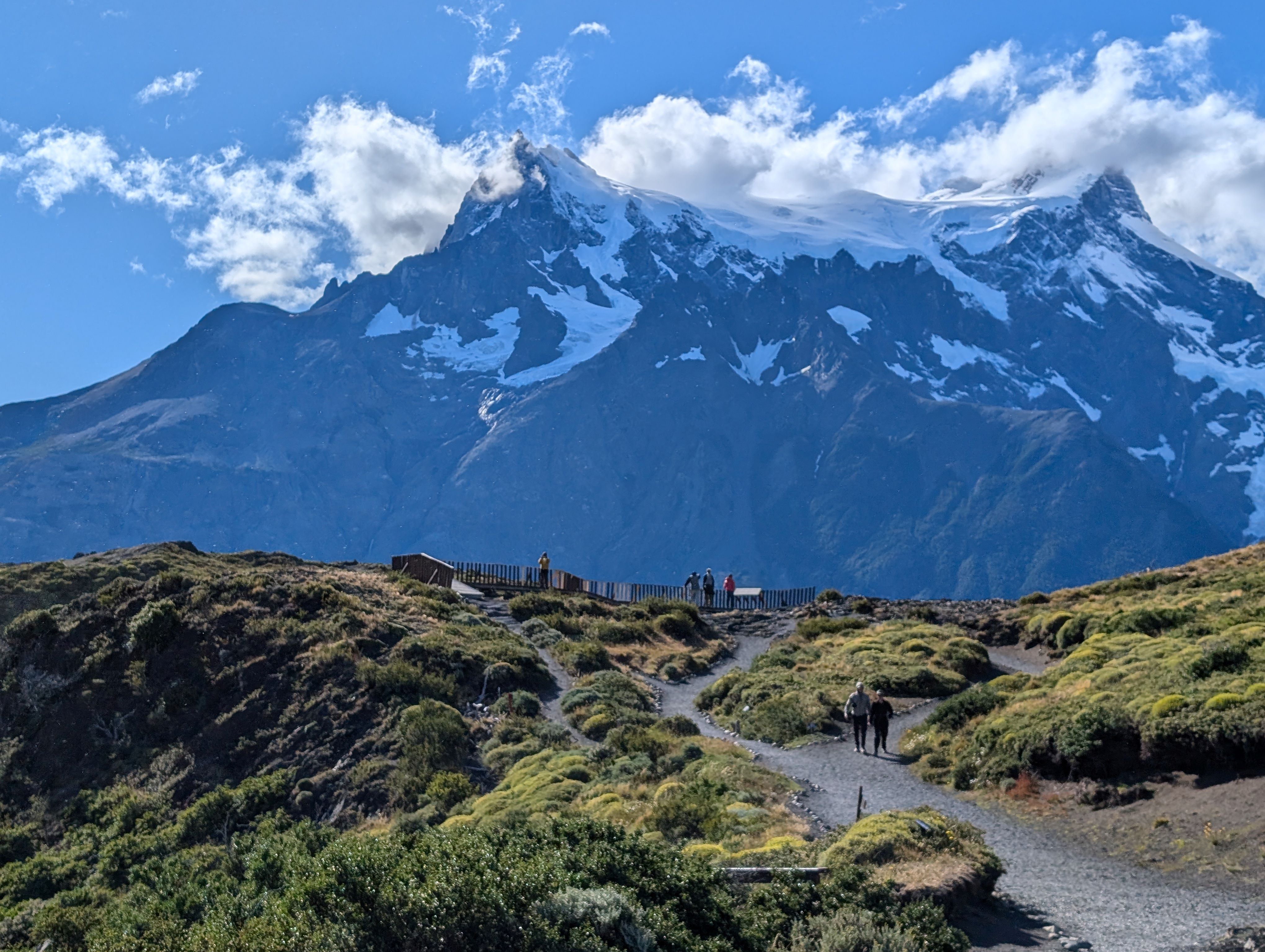
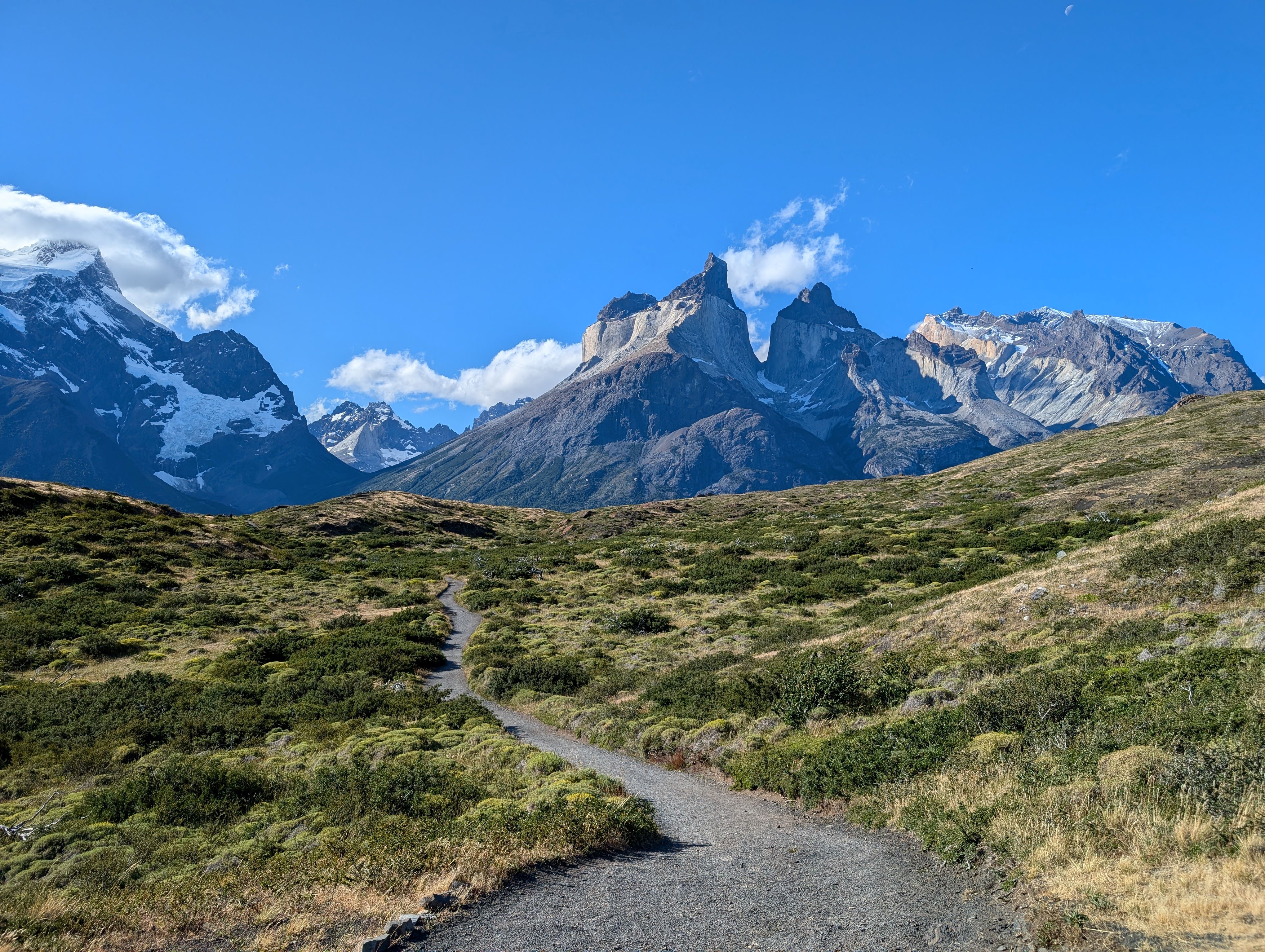
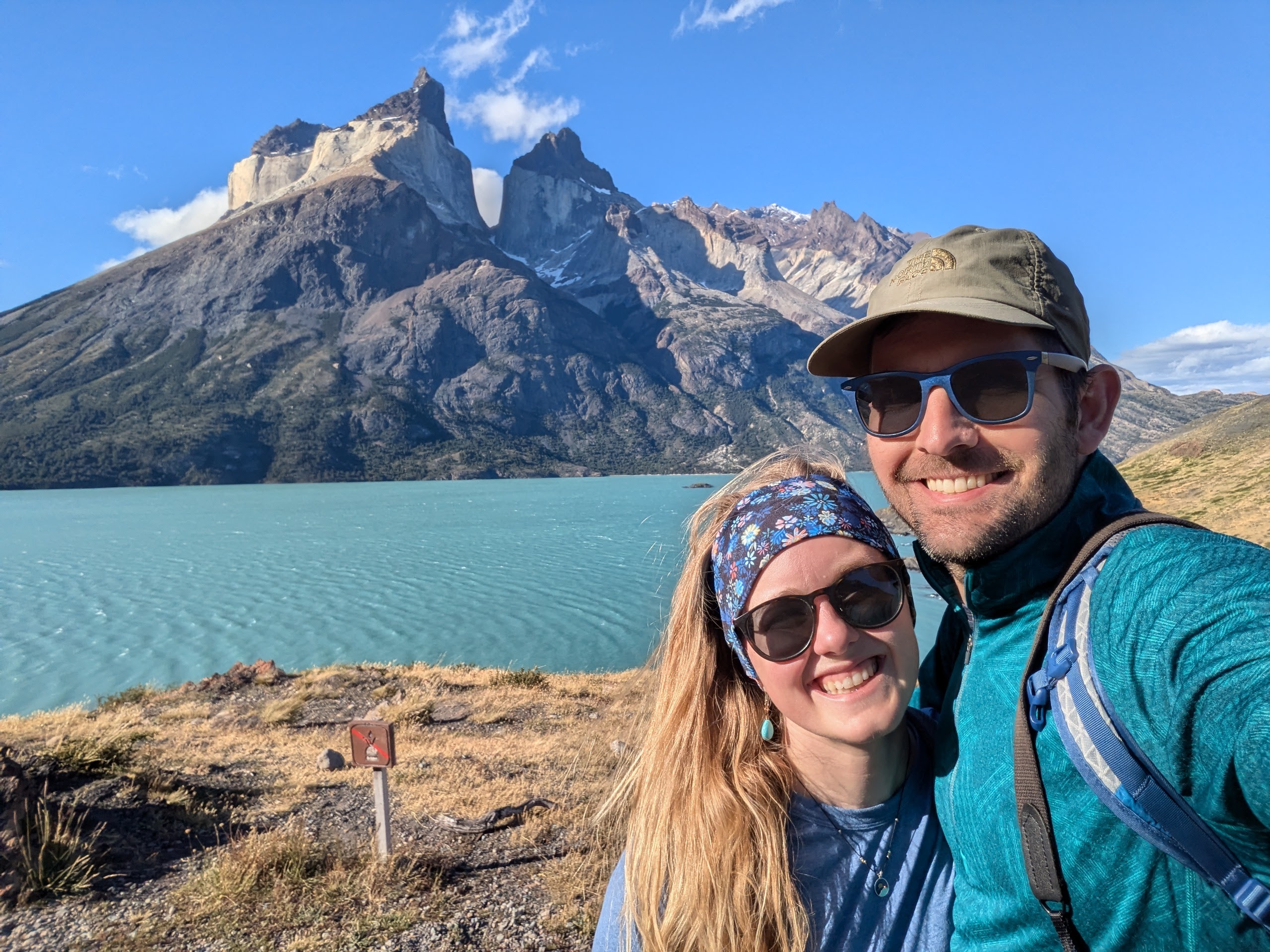
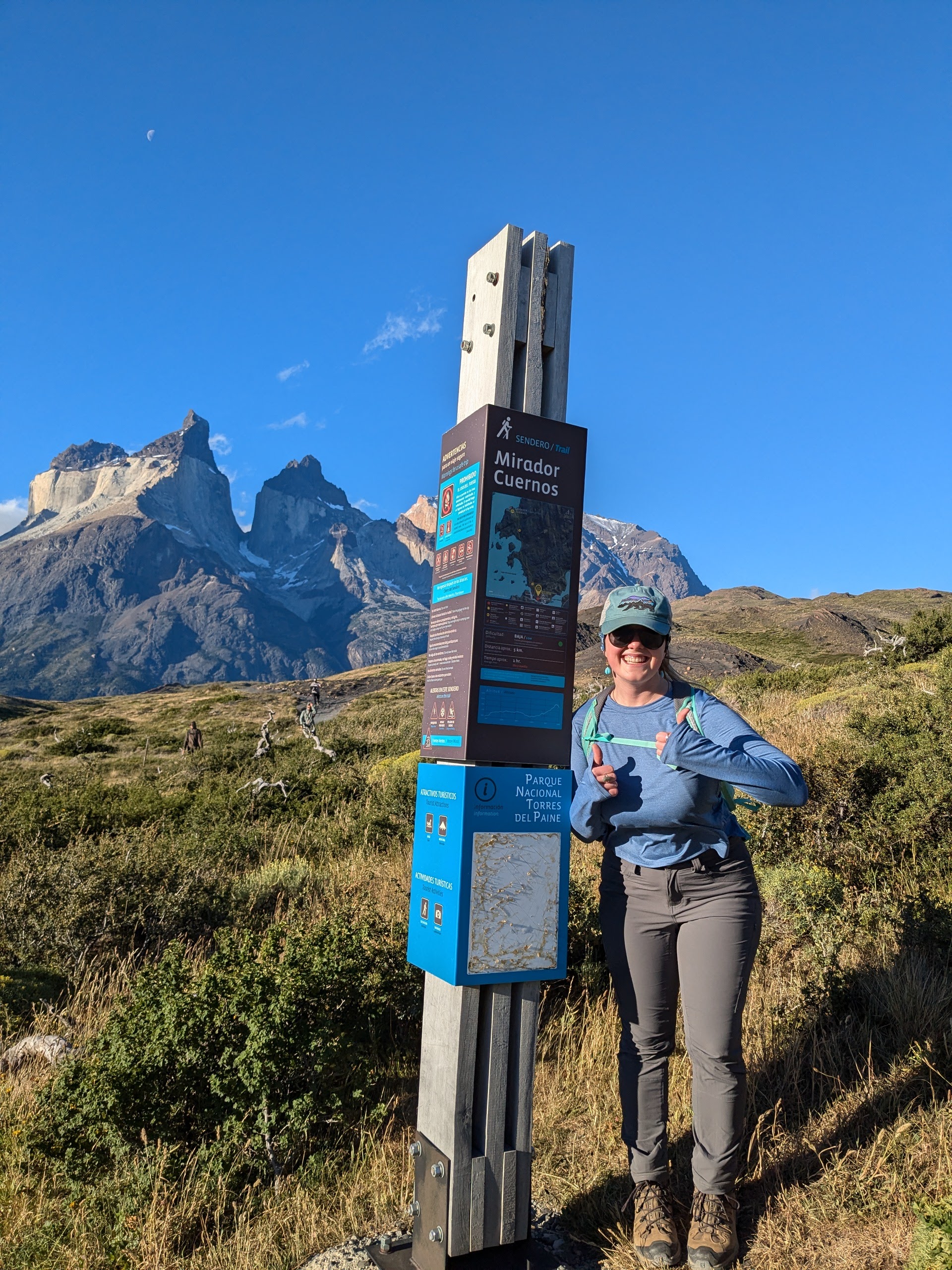
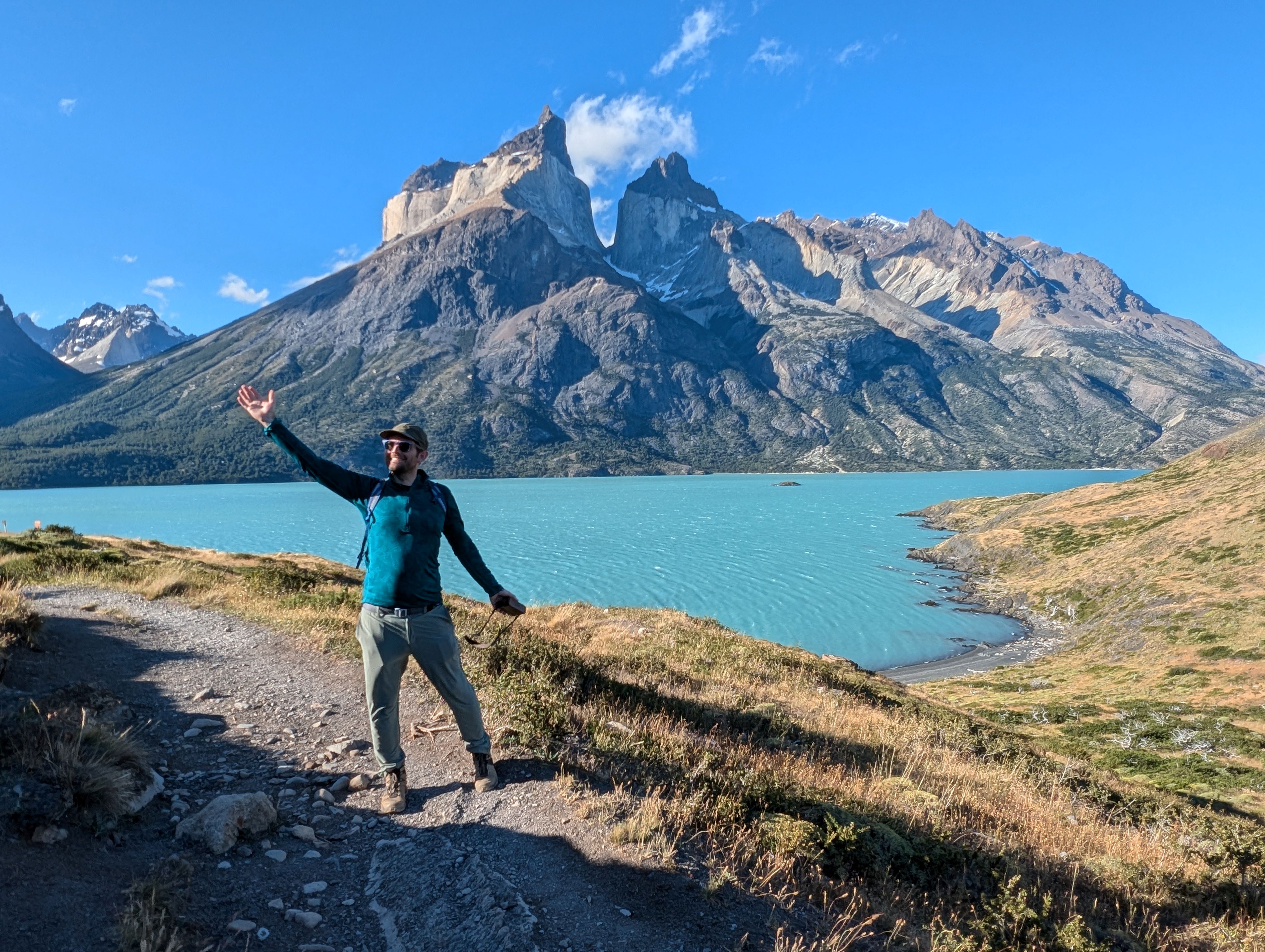
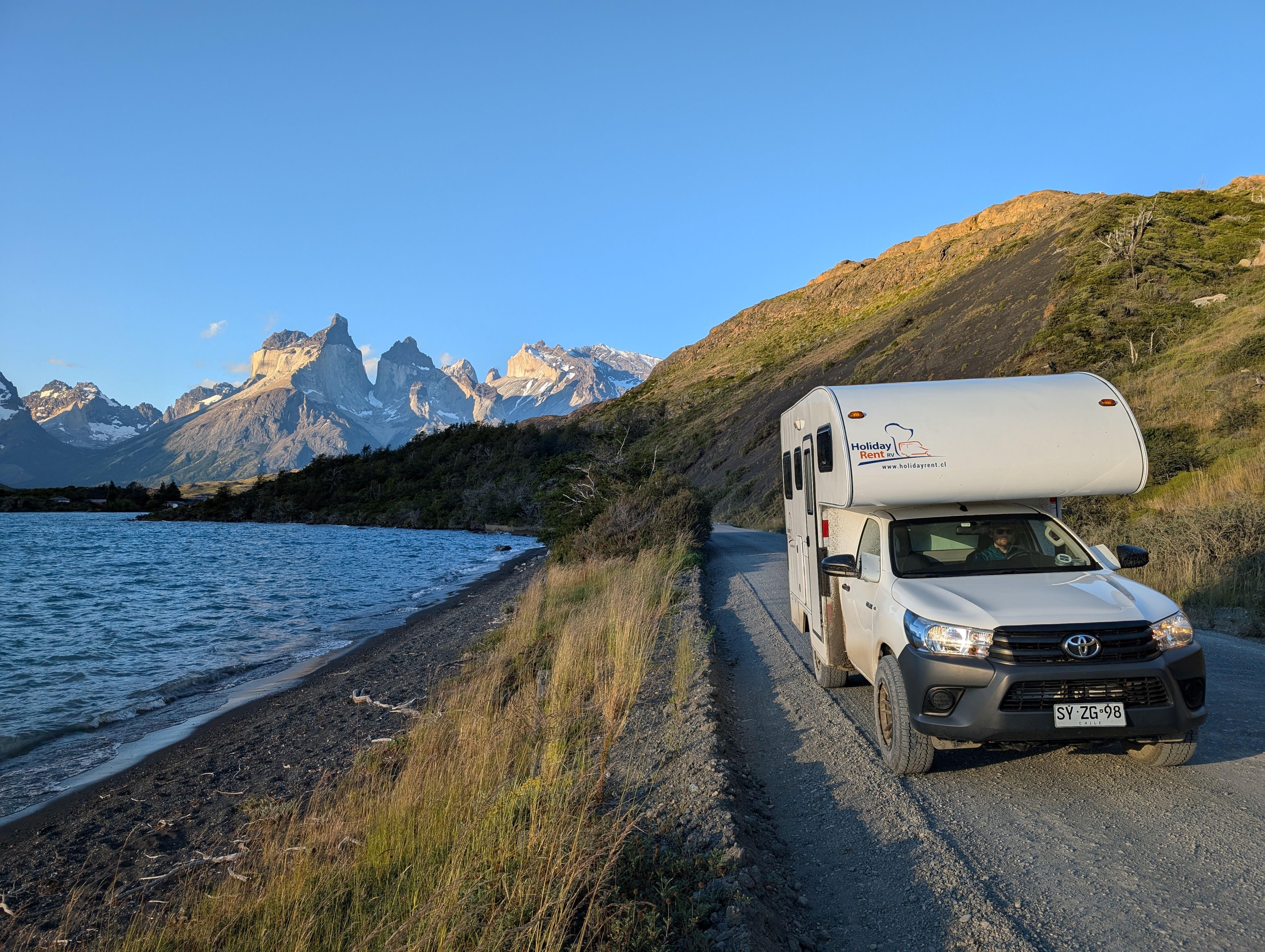
While it would have been easy to be hard on myself for struggling through a four-mile hike, I was proud of myself for persevering when I was so physically and emotionally drained.
One other snag in my plans was a famous 12-mile, 3,300-foot elevation gain hike in Torres del Paine. We were exhausted, low on sleep, and had barely eaten as our stomachs tried to re-calibrate. And yet the stress of feeling like I needed to complete the hike to get *that* photo was nearly overwhelming.
John swore he was up to it, despite a resurfacing foot injury, and my heart wrestled with what to do. I had some time to think by myself when he went to use the campground shower our first evening, and when he returned I confessed that I didn’t think we should do the hike.
“Are you sure?” he asked me. “I’m willing to try.”
I shook my head, feeling a small amount of grief at changing plans. Yet I could feel the stress pumping through my veins, and I was suddenly aware that pushing up a steep mountain that I didn’t even feel like climbing in my heart was not what would solve it. Especially when it was the only full day in the park we had.
The next morning, instead of rising before 6am to rush to the trailhead 40 minutes away, we cozied up in our lofted bed as the sun rose. Awhile later, two travelers from France pulled up and claimed we were in the site they had chosen at the office just moments before. We determined it to be a miscommunication with the office staff on check-in procedure (we had needed to type out our questions using Google Translate upon arrival, so a misunderstanding was very understandable), and we decided to simply give up our site to make things easier. Moments later, one of the best sites in the campground opened up along the edge of the camp, directly overlooking the most iconic mountains in the park. We quickly moved our camper and gear and reserved our new spot (the official way, this time).
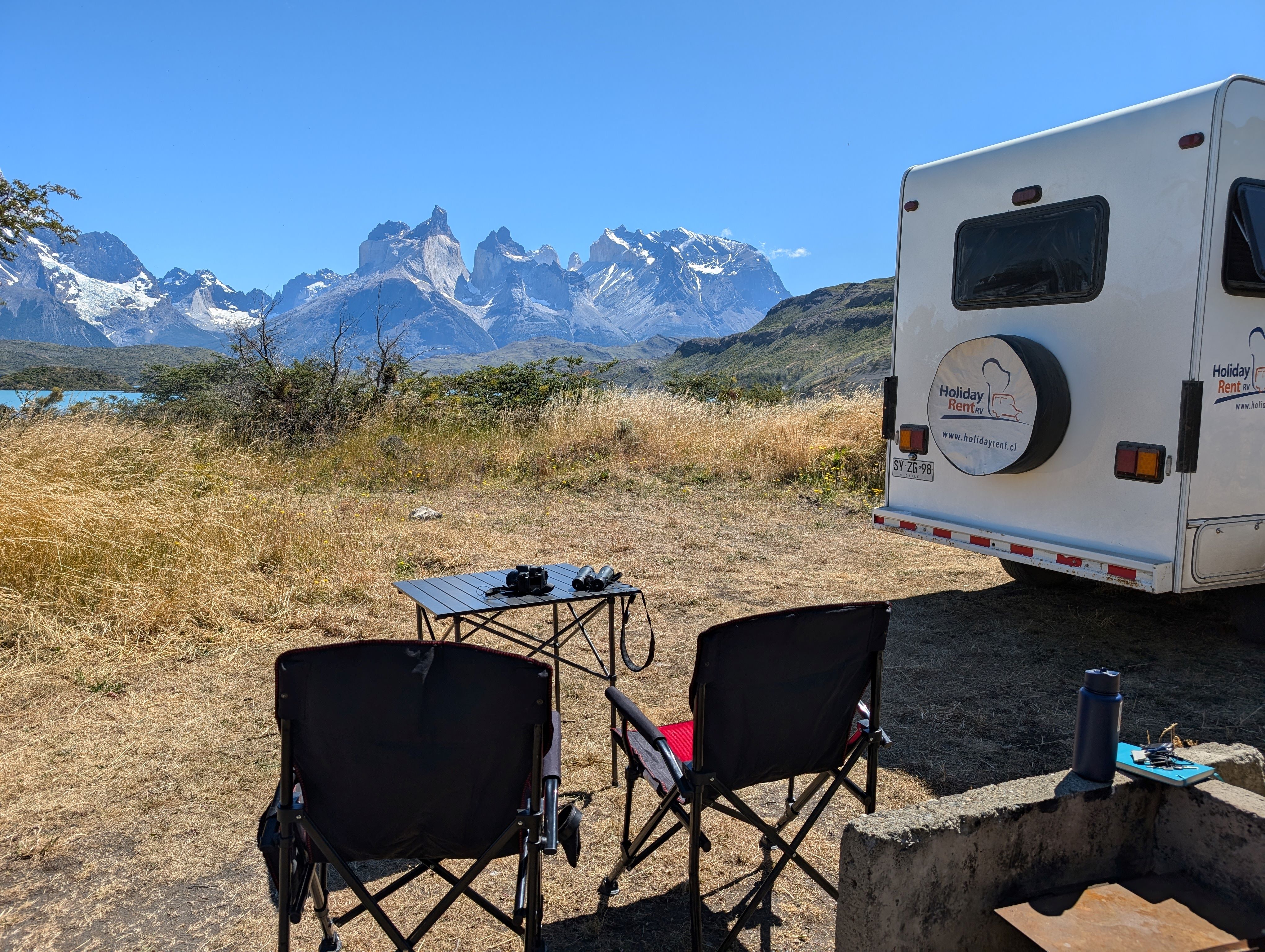
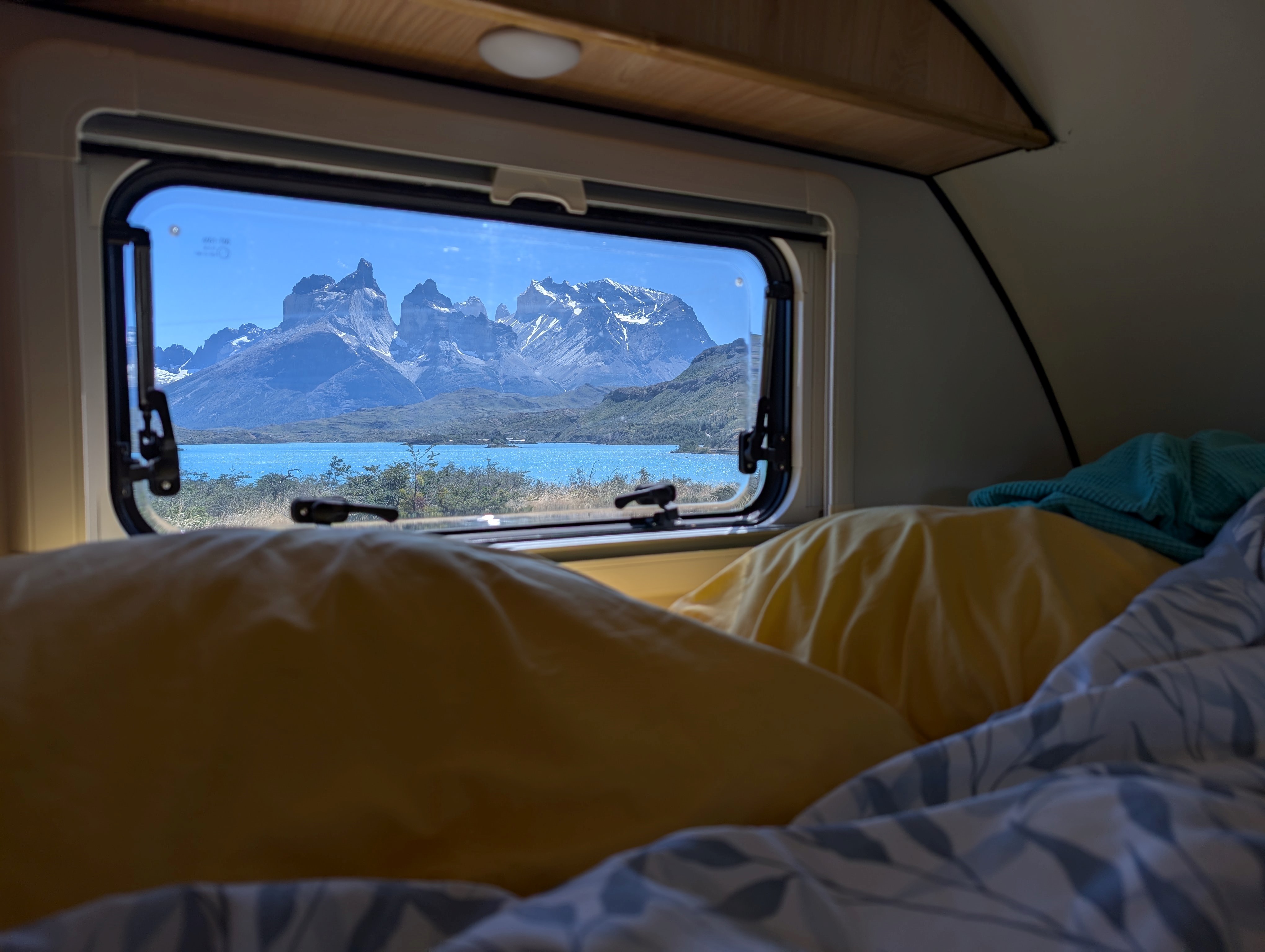
I stretched and watched the multi-colored granite peaks of Los Cuernos del Paine through our camper window, the sky so clear it dared you to believe it looked that way all the time. I moved outside to our portable table and chairs, binoculars and journal in hand. The air swept over the mountainside we were parked on, chilled from the glaciers and glacial lakes that it brushed past on our way to us. After breakfast, we took the camper to viewpoints to take photos together, and drove towards Grey Glacier, an entirely different section of the park that we wouldn’t have had time to visit had we spent the entire day on the long trail.
Along the way, something magical happened.
We relaxed. We started laughing more, and talking more easily. We flirted and explored and soaked in every tree, bird, and ray of sunshine. We felt in love.
Even in the moment, I knew that our day in Torres del Paine would be a turning point for the rest of the trip. It was a reminder that this was our adventure, and we could do whatever we wanted, when we wanted. No perceived expectations or internalized pressure allowed.
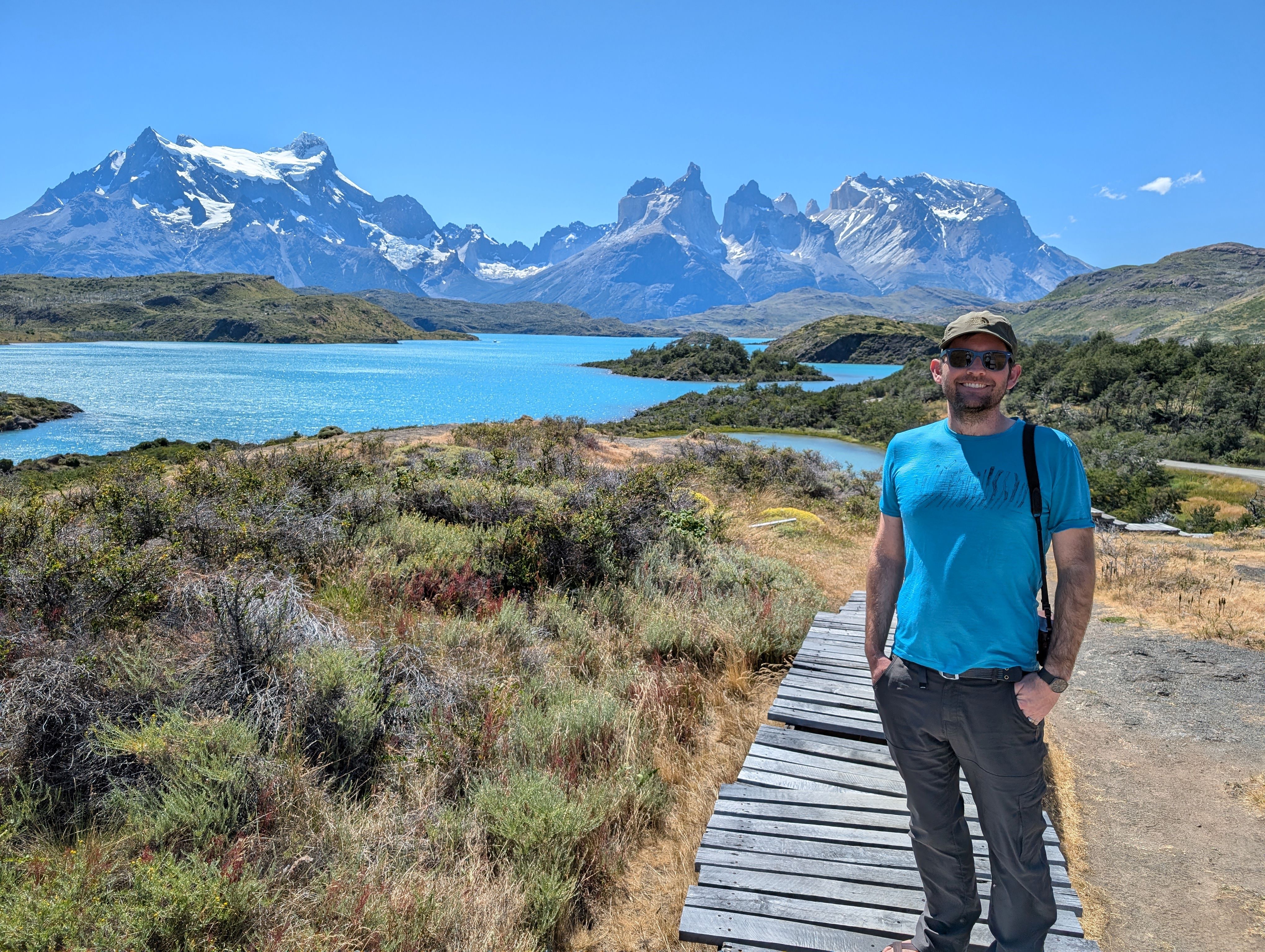
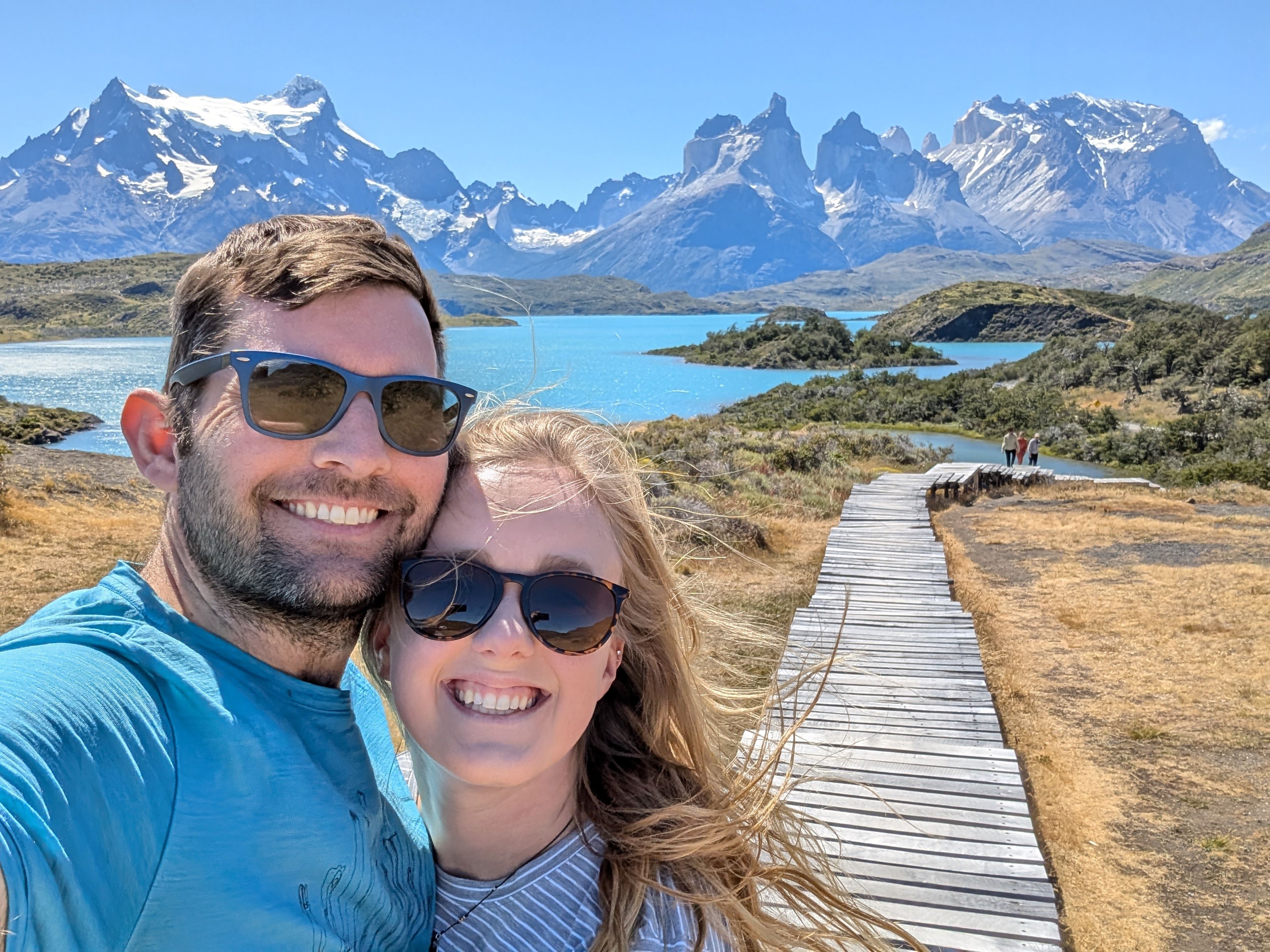
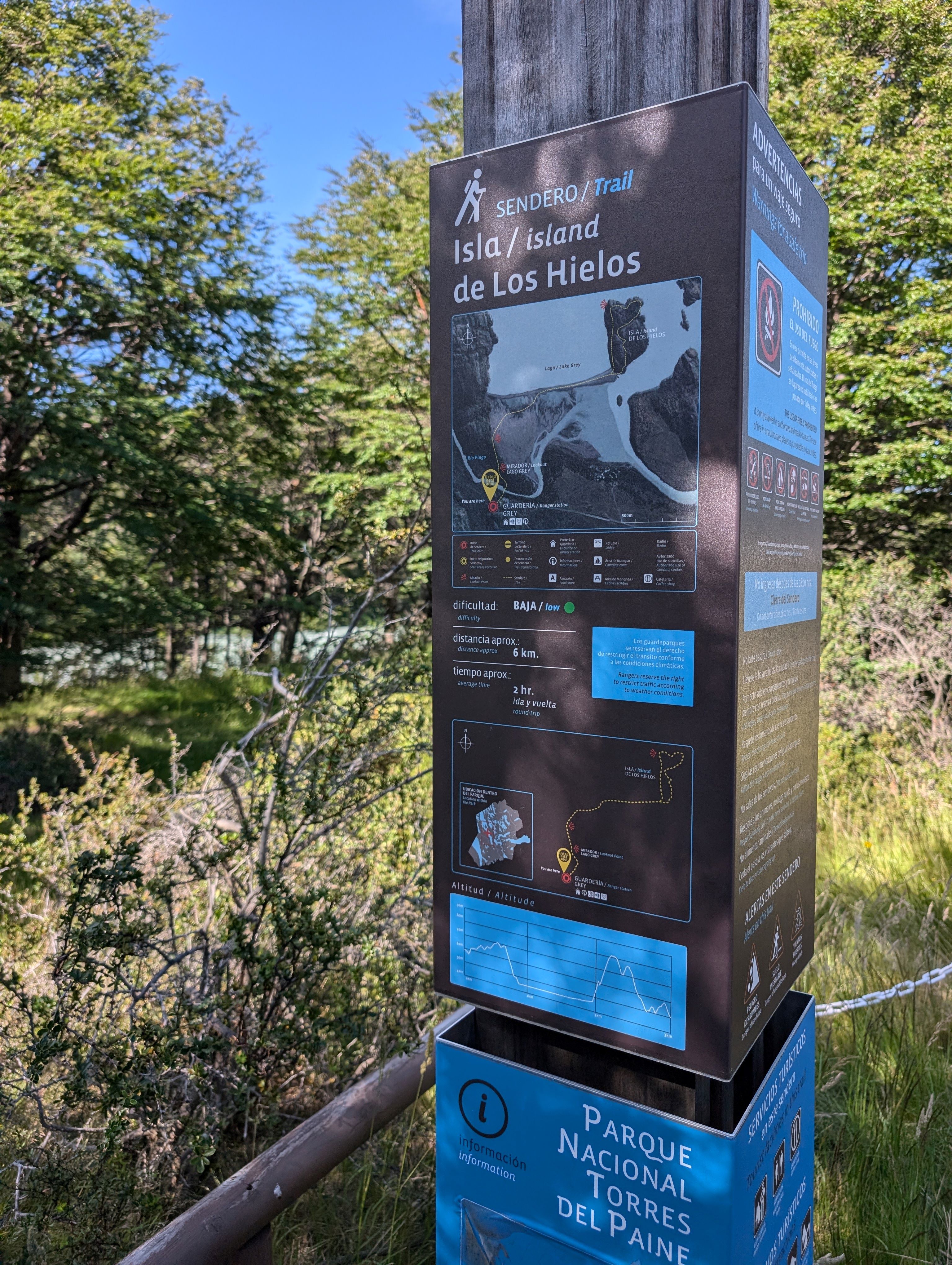
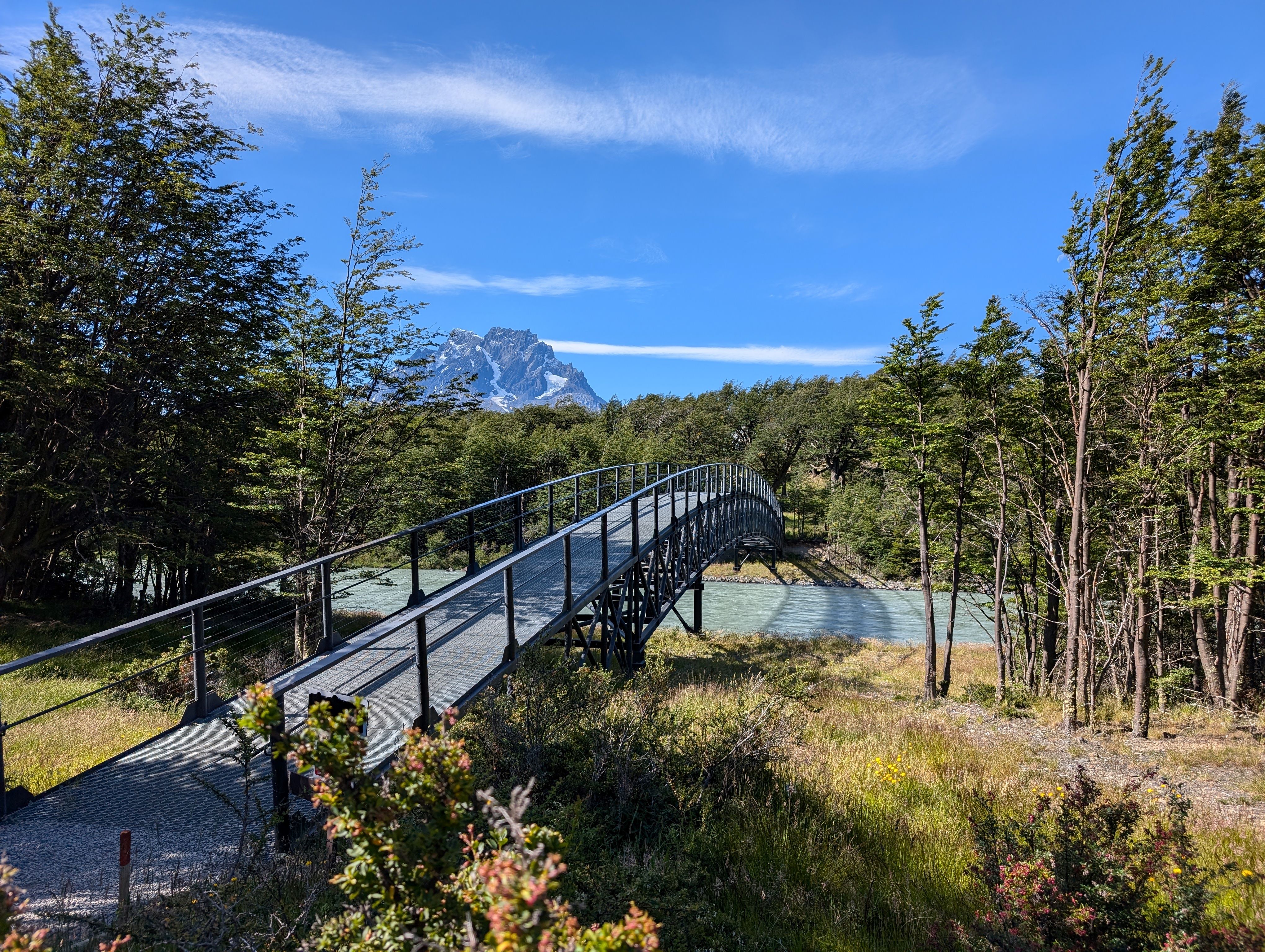
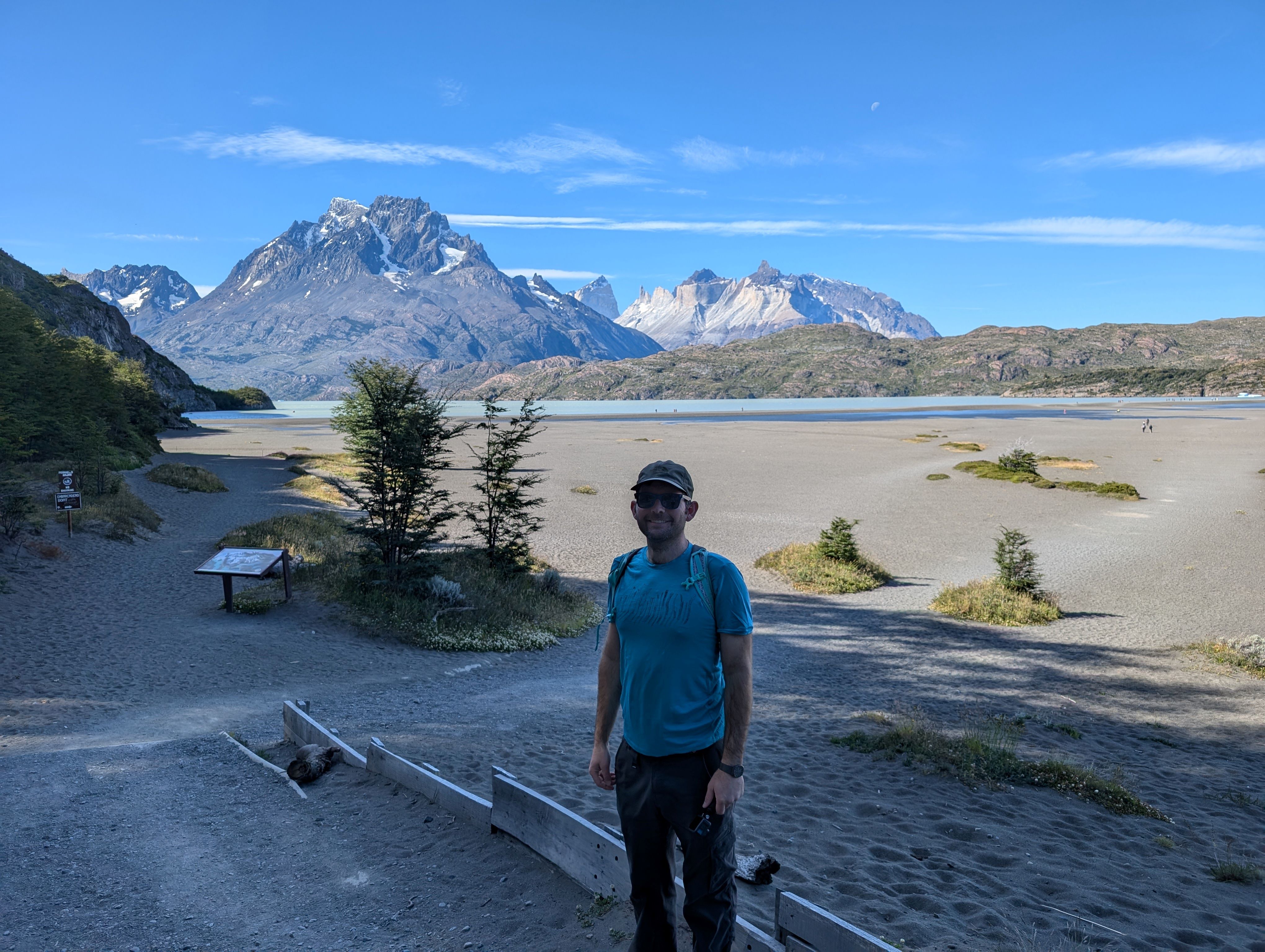
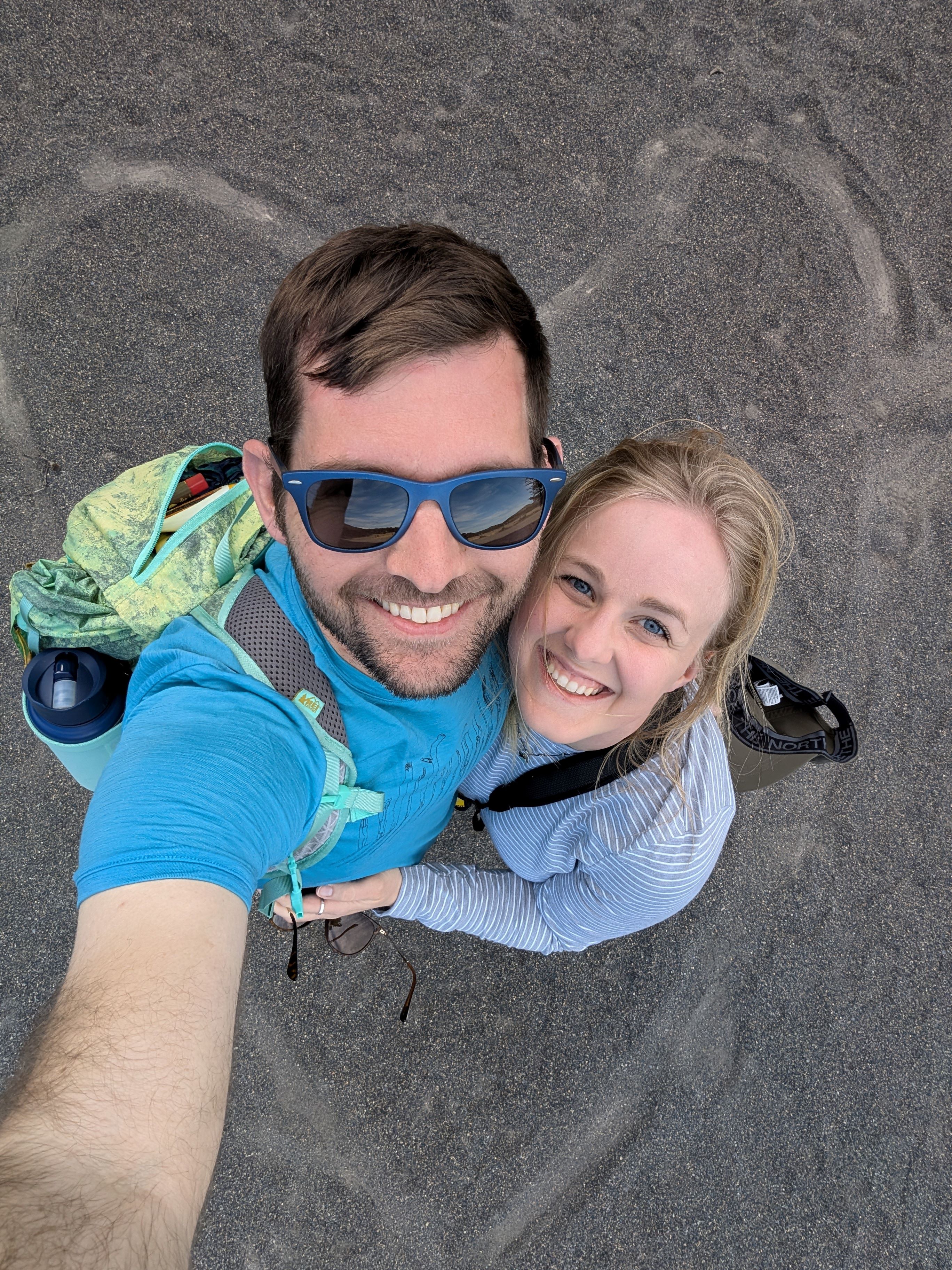
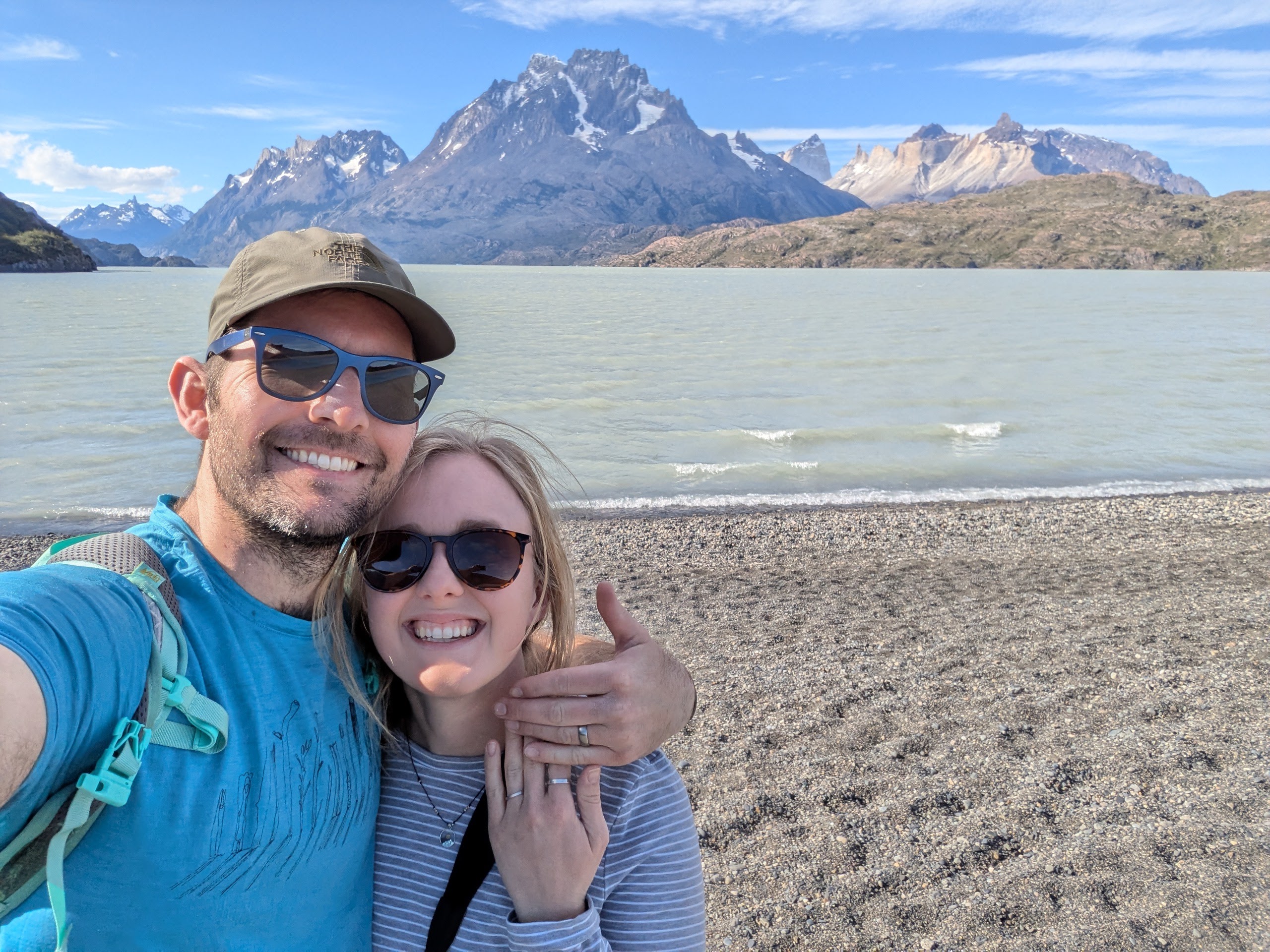
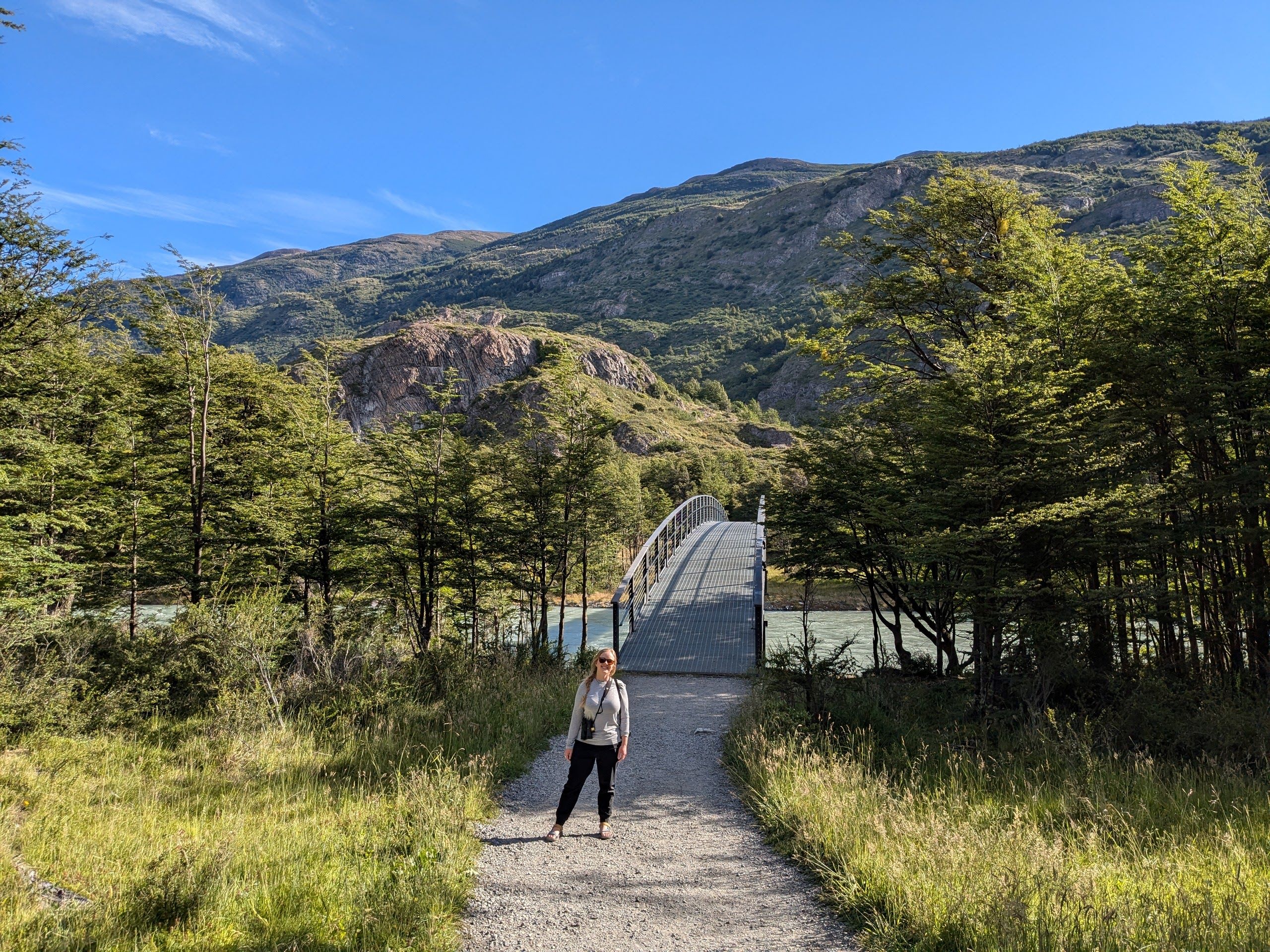
That evening, as we sat in our sunny campsite with fading light painting the mountains around us, I let the first few days of our honeymoon settle over me. Directly overhead, two Andean condors circled the blue skies above, gliding between thermals. Almost entirely black from below, I spotted their iconic white collars, and as the winds took them farther away, the white patches on the tops of their wings glinted in the sunlight. With wingspans reaching more than 10 feet, Andean condors can fly and live at altitudes up to 16,000 feet in the Andes mountains. I could only imagine the things these birds had seen, and they inspired me to push forward with a renewed desire to let this journey carry me forward, just like thermal wind currents that can be felt but not seen. Our trip would be like a braided glacial river: many paths, and none better or more inferior than any other.
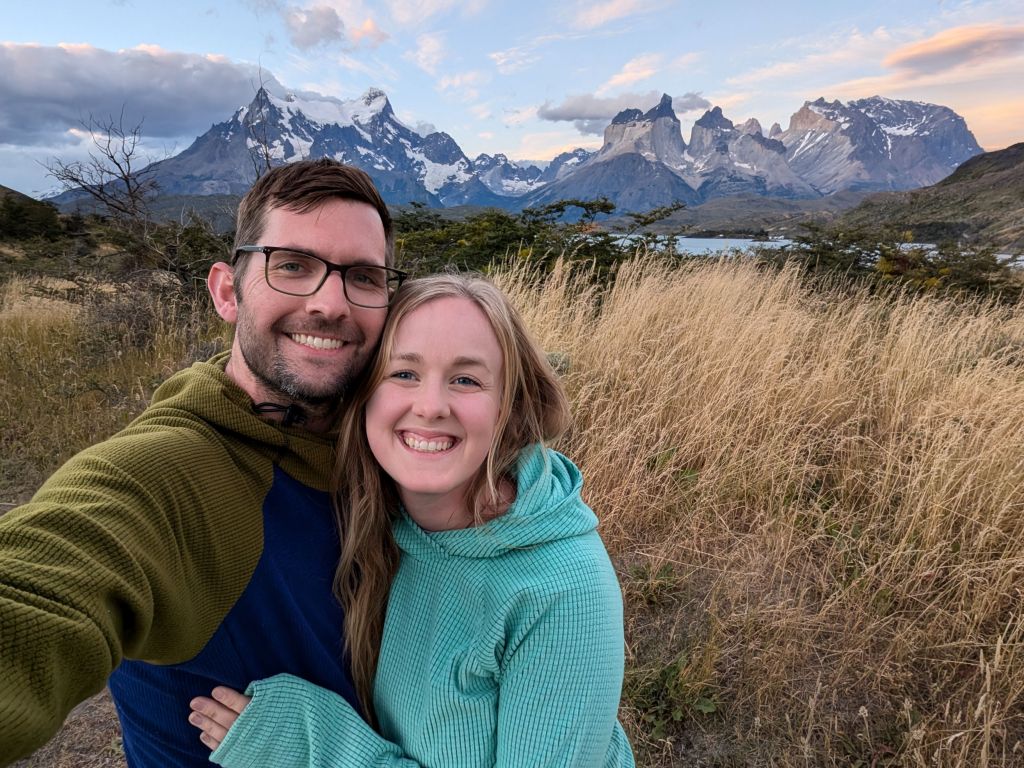
The next day, on our way out, we continued sightseeing as we drove towards Laguna Amarga on the northeast side of the national park. Guanacos, animals closely related to the llama that are native to South America, were everywhere: along the roads and hundreds of yards away walking over rocky hills.
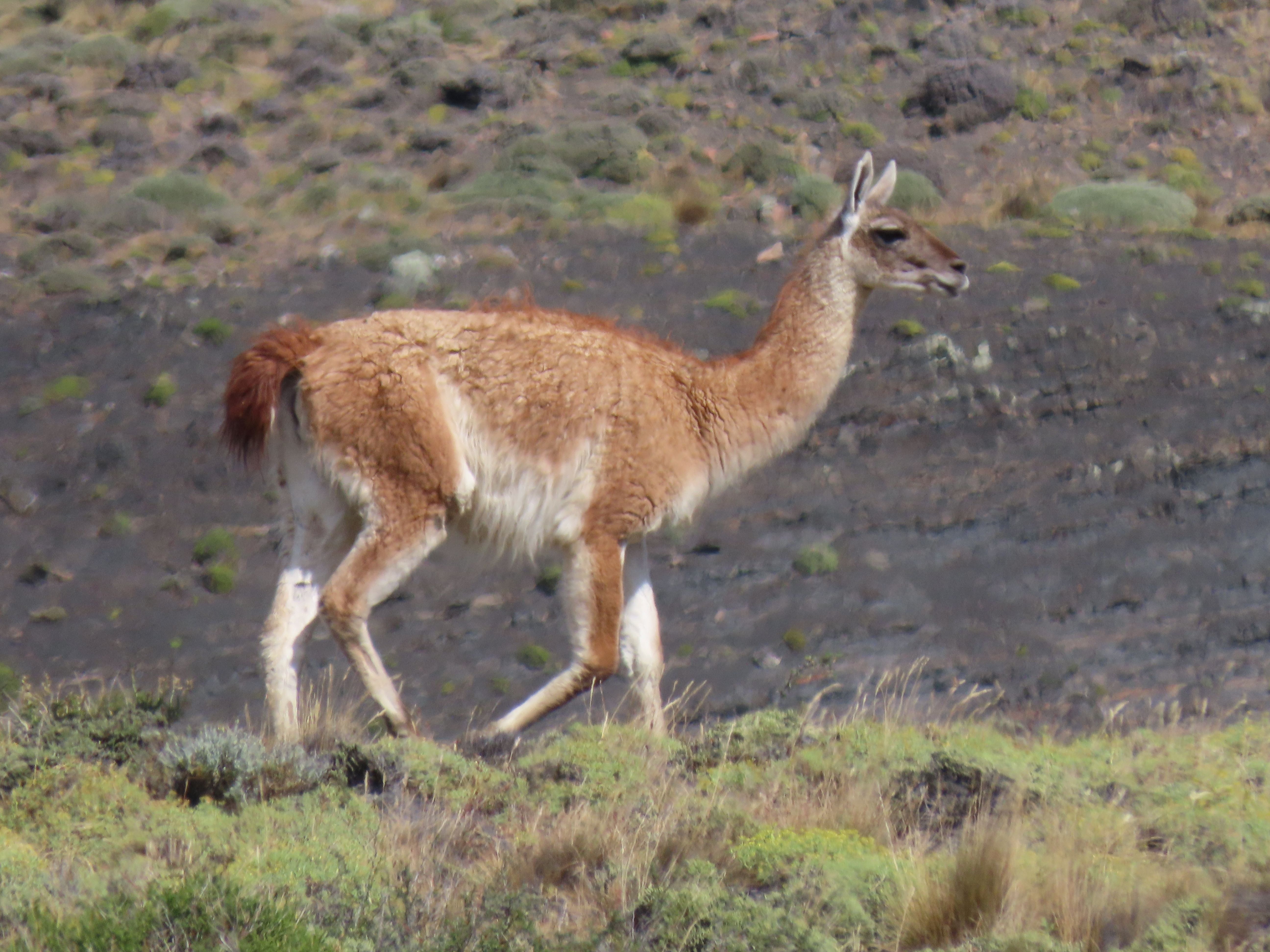
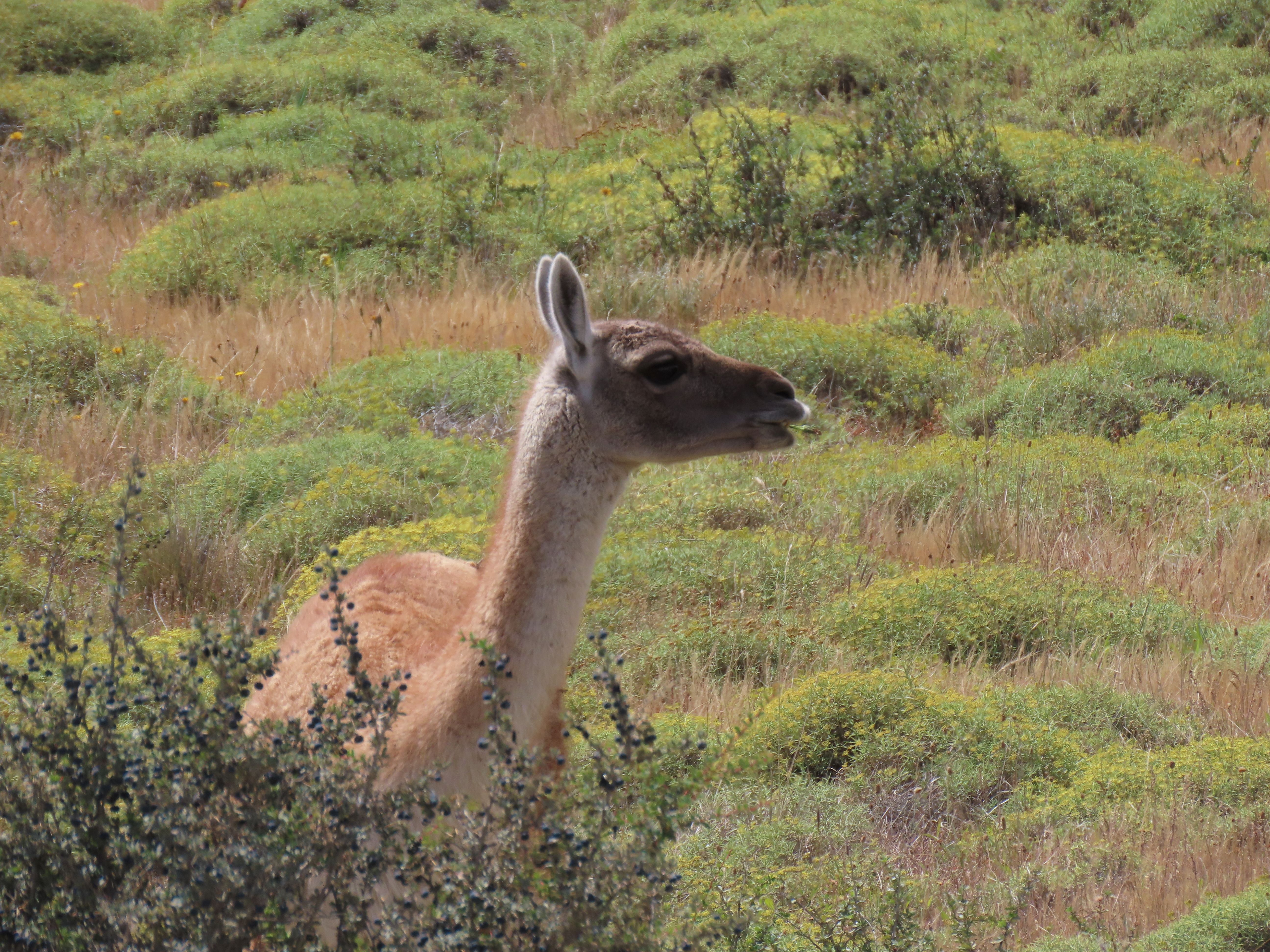
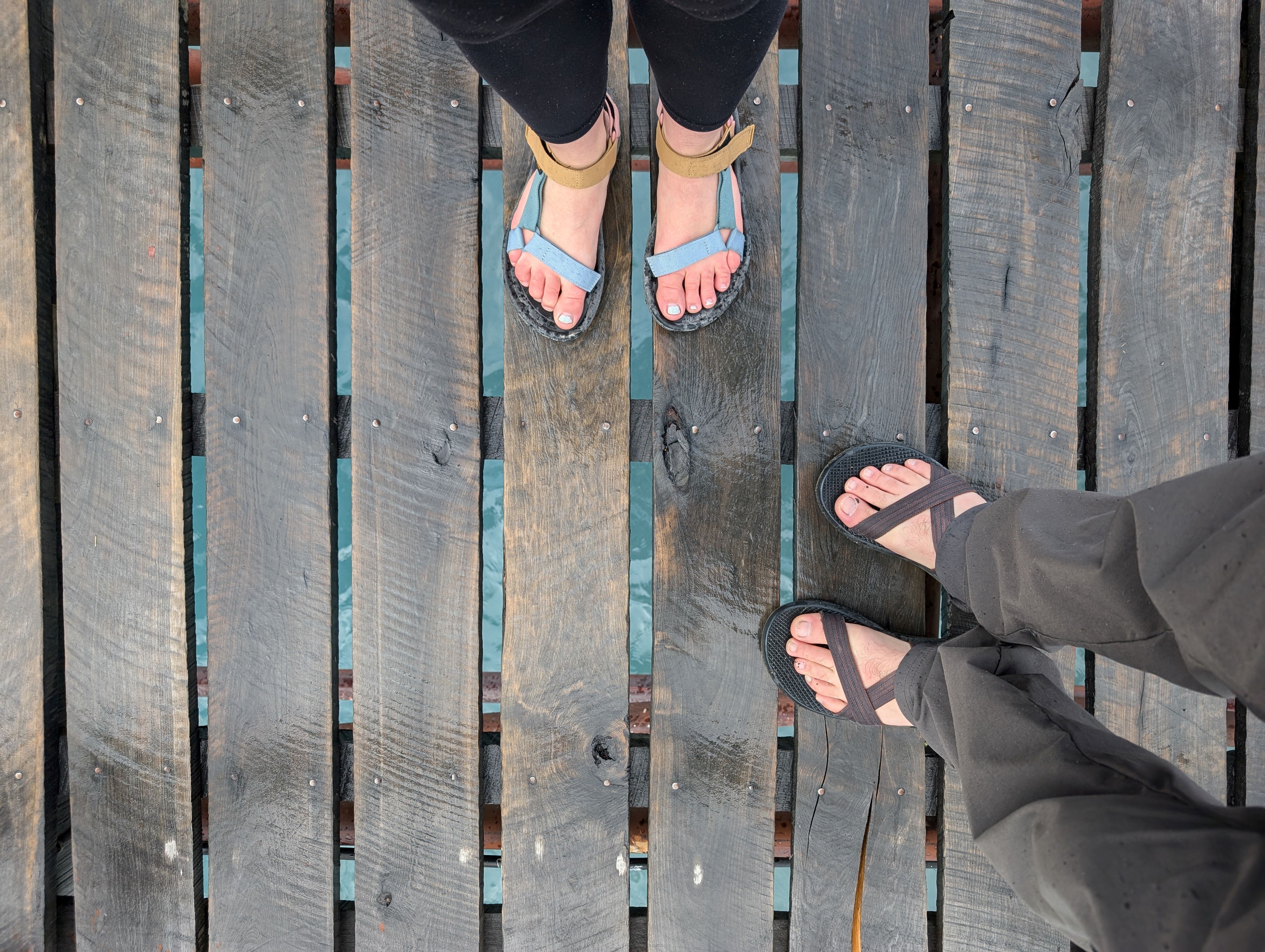
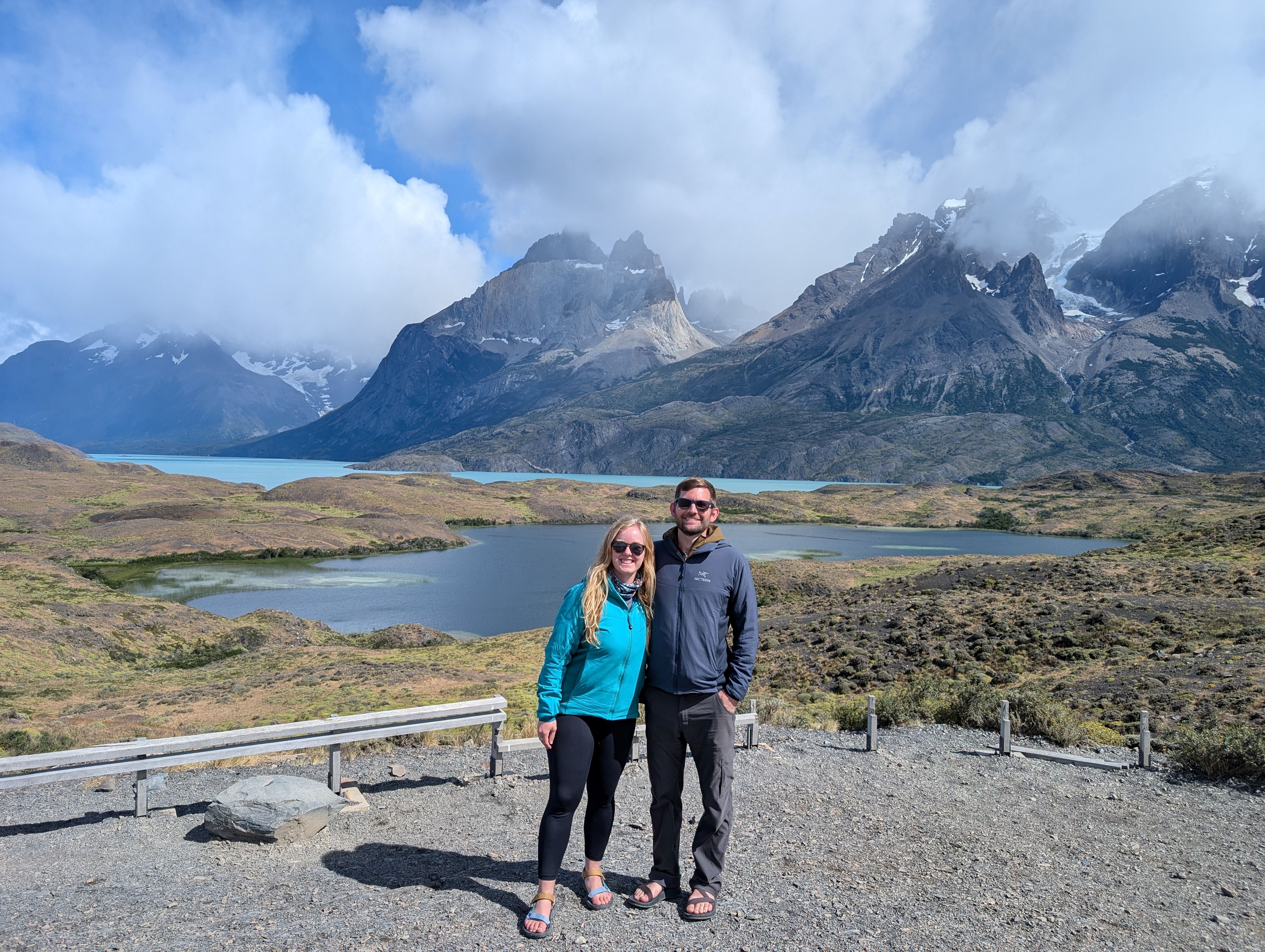
At one point, there were cars along the road with cameras out. We’d been scanning for wildlife for miles, and John hopped out to ask what they were looking at. They told us a puma had just crossed over the nearby ridge. A puma! The other cars departed, content with their brief glance and clearly unwilling to bet it would return. We decided to continue up the road to see if we could spot it from the other side. As soon as we were up there, we saw cars congregating back at the first stop, and John sped us back in the camper. Again, it had reappeared and disappeared before we arrived. This time we decided to scan the landscape for a few moments, as the habitat was open with low grasses and small shrubs. Another 5 minutes, and we saw a load of cars on the opposite side of the road at the top of the hill where we’d just been. We sped to the top and jumped out of the car, and I scanned the hillside that was just 100 yards from us.
There! In a patch of black gravel, and continuing to lazily move across the hillside, was a puma. My first ever in the wild, and I even managed to get a few photos and a shaky video clip before she slowly lumbered over the hilltop again, this time likely out of view for good as the ridge sloped down to a glacial river.
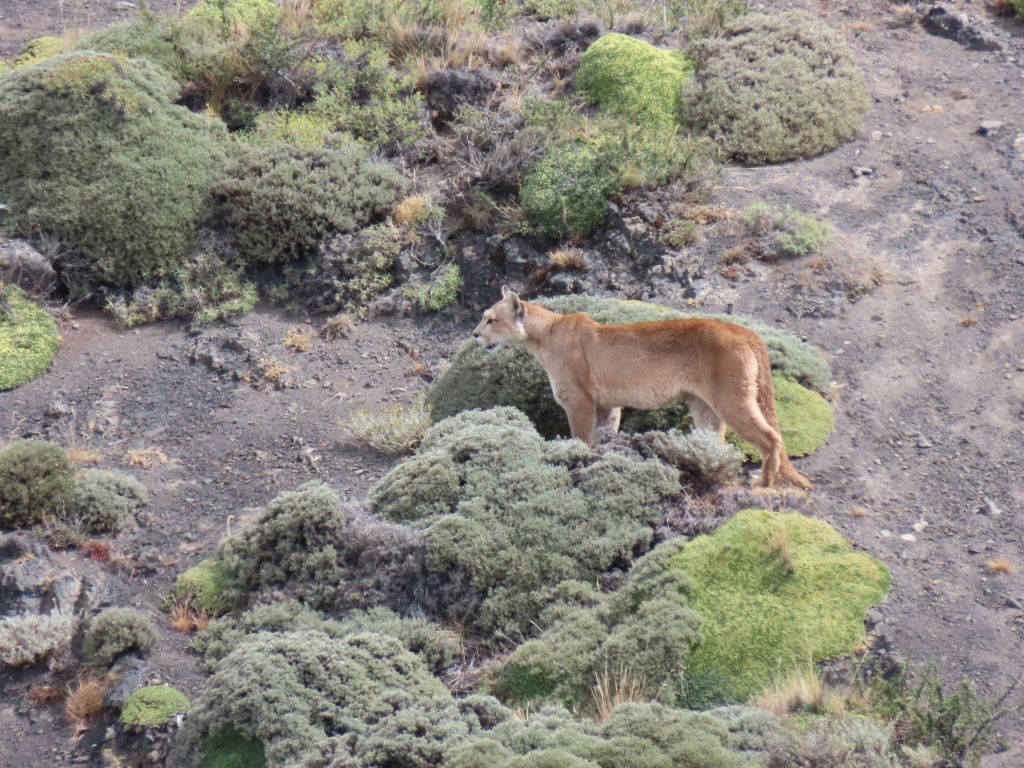
John and I were ecstatic. The kind older Dutch man that he talked to at the first stop had already been in Patagonia for more than three weeks and it was their first puma sighting. With our experience spotting wildlife in Denali, we knew just how lucky we were.
Exploration does not come without risk. One moment you’re walking among penguins, the next you’re clinging to the toilet heaving up last night’s cocktail that clearly had at least 2 more shots of liquor than it appeared. And this is the reality of big travel—it can’t be wrapped up in an Instagram reel or a photo story. It’s messy and unpredictable, as if all the feelings and emotions of normal life are magnified, and that’s also what makes it incredible.
I’ve got more stories and reflections to share of our 2 1/2 weeks to Patagonia—check out my next posts in this series coming soon!
 The Curiosity Chronicles
Gold! I always appreciate the raw honesty in your writing.
I say to people that sometimes the burden of the planning & logistics sometimes takes the fun out of the trip for me … I’m glad you were able to find your inner voice as to how to let the trip play out. And frankly, it looked picture perfect and without hiccups to me (which goes along with the whole instagram vs reality thing)!!! Amazing views! Unbelievable campsites! Smiling newlyweds! Now you have reinvigorated my desire to take a trip to Patagonia …
Will text/connect as soon as the season dies down …
LikeLike
Thank you so much, Patrice! I completely agree about the planning–while I do enjoy planning travel, it also can be so overwhelming at times. It was a good opportunity for growth and definitely made me a better traveler this time around. I’m excited to hear from you when you have more time after the busy summer season!
LikeLike